
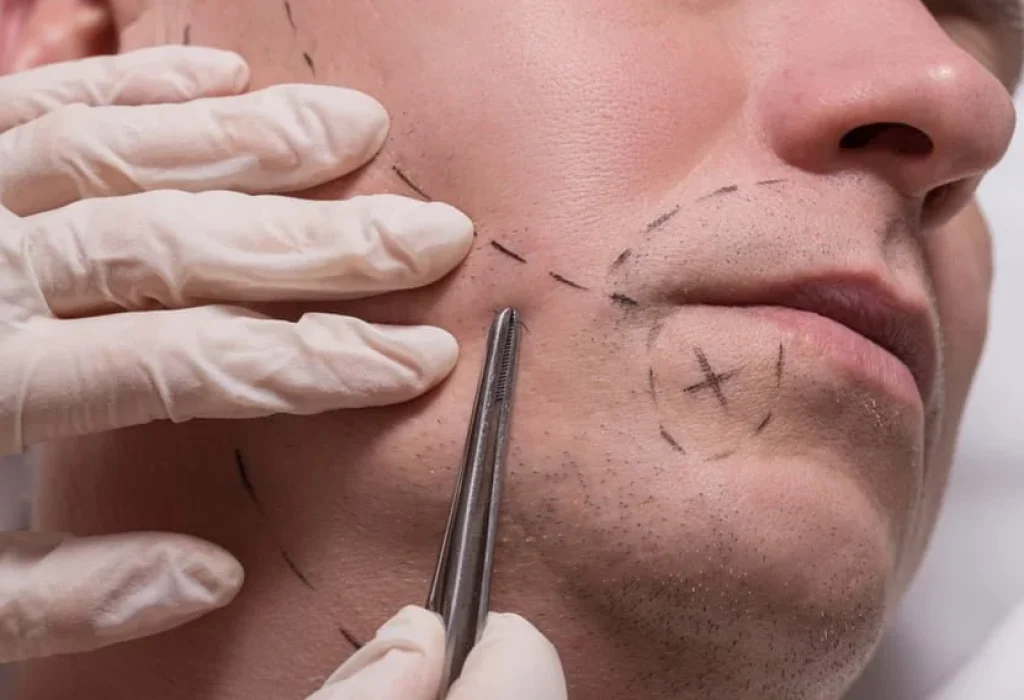
Facial hair transplant surgery is a medical procedure that moves hair from one part of the body to the face. It usually uses hair from the back of the scalp. It helps improve beard density, fill patchy areas, or treat facial hair loss caused by genetics or scars.
This process is part of facial hair restoration and other hair restoration surgeries. At Trichogenics, founded by Dr. Asi Peretz and Dr. Eric Peretz, procedures take place in clinics in Greece and Israel. This guide explains how the procedure works, who it helps, and what results to expect.
Key Takeaways
- Facial hair transplant surgery moves hair grafts and hair follicles from a donor area to the face. It helps improve beard density and fix patchy growth. Results depend on planning, technique, and patient factors.
- Facial hair restoration uses methods like Follicular Unit Extraction and Direct Hair Implantation. These methods help control graft placement at the recipient site. The choice depends on the number of grafts and the treatment area.
- Recovery takes a few months. Full results usually appear within 9 to 12 months. Follow-up care helps support graft survival and steady facial hair growth.
- The procedure is safe when done by trained professionals. Some mild side effects, such as redness and swelling, can occur. An initial consultation helps set clear and realistic goals.
What Is Facial Hair Transplant Surgery?
Facial hair transplant surgery involves taking hair grafts and follicles from a donor area and placing them into the beard or other areas of the face, including procedures such as an eyebrow transplant. The goal is to create natural facial hair growth that blends with existing facial hair. Doctors often use methods like Follicular Unit Extraction (FUE) and Direct Hair Implantation (DHI).
For men specifically looking to improve beard density or address patchy growth, a beard transplant can provide a targeted facial hair restoration option. The procedure involves placing hair follicles into areas of the beard where additional density or definition is needed, with the goal of creating natural-looking growth.
How It Restores Facial Hair
The procedure moves healthy hair follicles that continue to grow after placement. These follicles keep their original traits. This helps support long-term results. Over time, the new hair blends with existing facial hair and grows naturally.
Who Is a Good Candidate
Good candidates have enough donor hair and stable hair loss. Some may also have male pattern baldness, but still have strong donor areas. A doctor reviews this during the initial consultation. This helps set clear expectations and plan the procedure.
Facial Hair Transplant Procedure
The procedure uses local anesthesia. It can take a few hours based on the number of grafts, and understanding the hair transplant process can help patients know what to expect.
Donor Hair Extraction
Doctors remove hair grafts and hair follicles one by one from the donor area, often the back of the scalp. At Trichogenics, this is done using FUE or DHI. These methods help reduce visible scars and allow precise handling of each graft. Each graft is prepared carefully before placement.
Graft Placement Techniques
Doctors place each follicular unit into the recipient area and each recipient site with care. They control the angle and direction to match existing facial hair. This step is key to a natural look. Tools like the Choi pen may help improve accuracy, and techniques such as DHI, FUE, and, in some cases, follicular unit transplant (FUT) can be used depending on the clinical approach.
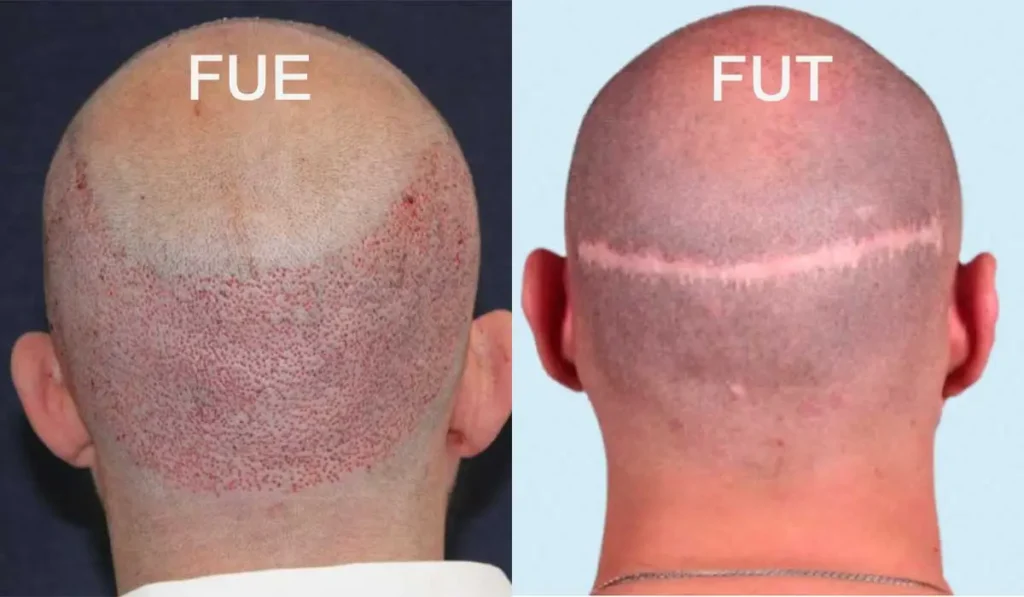
FUE vs DHI Techniques in Facial Hair Transplant Surgery
FUE creates sites before placing grafts into each recipient site. DHI places grafts directly using a special tool. Both methods aim to create natural density. The choice depends on goals, the number of grafts, and hair type, similar to comparisons explained in this FUT vs FUE hair transplant guide.
- DHI (Direct Hair Implantation): Used for smaller areas that need precise control of angle and direction, such as shaping the beard line or filling detailed zones.
- FUE (Follicular Unit Extraction): Used for larger areas that require a higher number of grafts and broader coverage.
Recovery Time and Healing
Most patients return to normal activity within a few days, especially when they follow proper guidelines, such as those outlined in a hair transplant aftercare guide.
Mild redness and swelling can happen during the first week. These effects usually go away on their own.
Hair Growth Phases
- 2 to 4 weeks: The transplanted hair follicles shed, which is a normal part of the process.
- 3 to 4 months: New facial hair growth begins to appear in the treated areas.
- 6 to 9 months: Hair density continues to improve as more follicles become active.
- 9 to 12 months: Full results are usually visible, with hair growing in natural cycles.
Results and Before and After
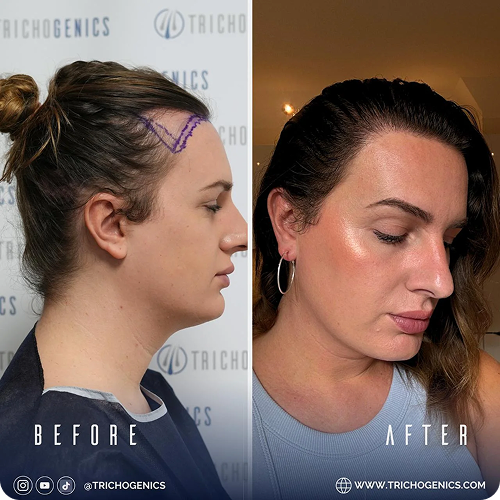
Results depend on graft survival, technique, and healing, and patients can review real hair transplant results to understand expected outcomes.
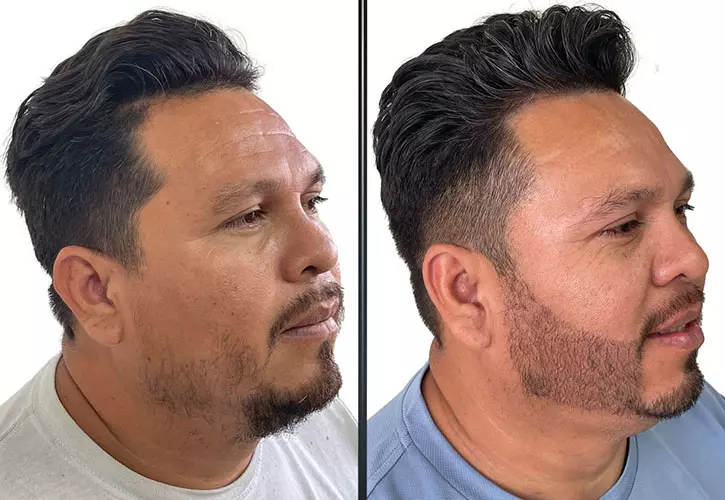
The goal is natural density and even growth throughout the beard-mustache area.
How Long Do Beard Transplants Last
The results are usually permanent. The hair follicles keep the traits of the donor area. Good care helps support long-term results.
Risks, Safety, and Pain
Facial hair transplant surgery is safe when done by trained doctors. Clinics in regulated settings follow clear medical standards. In some places, such as Turkey, rules may vary, which can affect the quality of care.
Is a Beard Hair Transplant Painful?
Doctors use local anesthesia, so there is little pain during the procedure. Some mild discomfort can happen after. This usually improves in a few days.
Cost of Facial Hair Transplant Surgery
The cost depends on the number of grafts, the method, and the clinic. A consultation helps give an exact estimate.
Limitations of Facial Hair Transplant Surgery
The procedure can improve density, but it is limited by the available donor hair. The number of grafts depends on donor strength, so full coverage may not always be possible. Results can vary based on healing and how hair follicles adapt to the recipient area. Some patients may need more than one session to improve density or shape.
If you are considering facial hair transplant surgery, a consultation can help you understand your options and what results are realistic for your case.
A doctor can assess your donor area, discuss the number of grafts needed, and design a plan based on your goals. Scheduling an initial consultation is the first step to making an informed decision.