
Autoimmune hair loss is a condition in which the immune system attacks the hair follicles, leading to hair shedding on the scalp, face, or body; it is most commonly seen in alopecia areata. The hair follicles are not destroyed in this condition, which distinguishes it from scarring forms and allows for potential regrowth.
This condition affects around 2% of people globally and often appears as smooth, round bald patches, though in more severe cases it can progress to complete scalp or body hair loss.
In many cases, hair lost due to autoimmune hair loss can grow back because the follicles remain alive, but regrowth is unpredictable and may occur in cycles of loss and recovery, depending on immune activity.
Hair regrowth depends on how the immune response behaves over time and whether treatment is used to control inflammation around the follicles. Some individuals experience full regrowth within months, while others may have recurring episodes or more persistent loss without scarring.
At Trichogenics, with clinics in Greece and Israel, this condition is approached through careful diagnosis and management, as understanding the underlying immune process is key to evaluating treatment options and long-term outcomes.
Key Takeaways
- Scalp massage may support hair health and stimulate hair growth by increasing blood flow, but it does not treat the root causes of most types of hair loss.
- Results from regular massages are gradual and typically limited to improved hair thickness or quality rather than full regrowth, especially in early or mild cases.
- Hair shedding during scalp stimulation is usually normal and linked to the natural hair growth cycle rather than caused by the massage itself.
- Proper technique and consistency matter, as gentle daily scalp massage can be beneficial, while excessive pressure or harsh products may damage hair follicles.
- For persistent or advanced hair loss, medical evaluation is essential, as treatments like FUE or DHI address underlying causes that scalp massage cannot.
Does Massaging Your Scalp Help With Hair Loss?
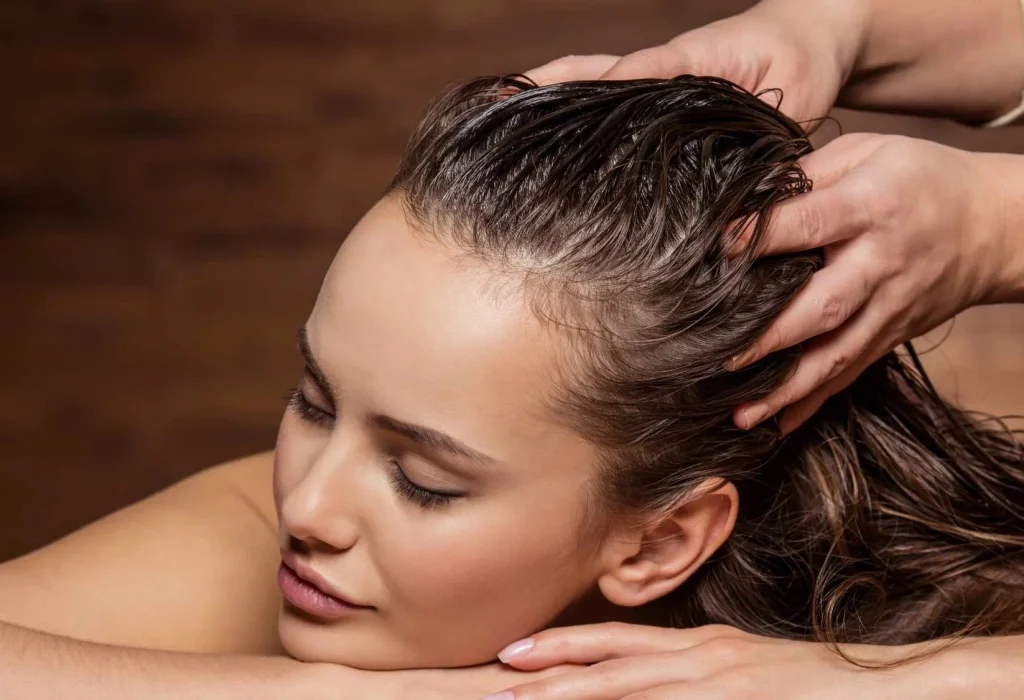
Scalp massage may help support hair health, but its impact depends on the cause of hair loss. Regular massages may stimulate hair growth by improving circulation around the hair follicles and increasing blood flow to the scalp. This process may support healthier hair over time, but does not address medical conditions such as androgenetic alopecia.
Scalp stimulation should be seen as a supportive habit rather than a standalone treatment. While it may help promote hair growth in some cases, it does not treat the root causes of hair loss. Results vary widely, so expectations should remain realistic.
How Scalp Stimulation Affects Hair Growth
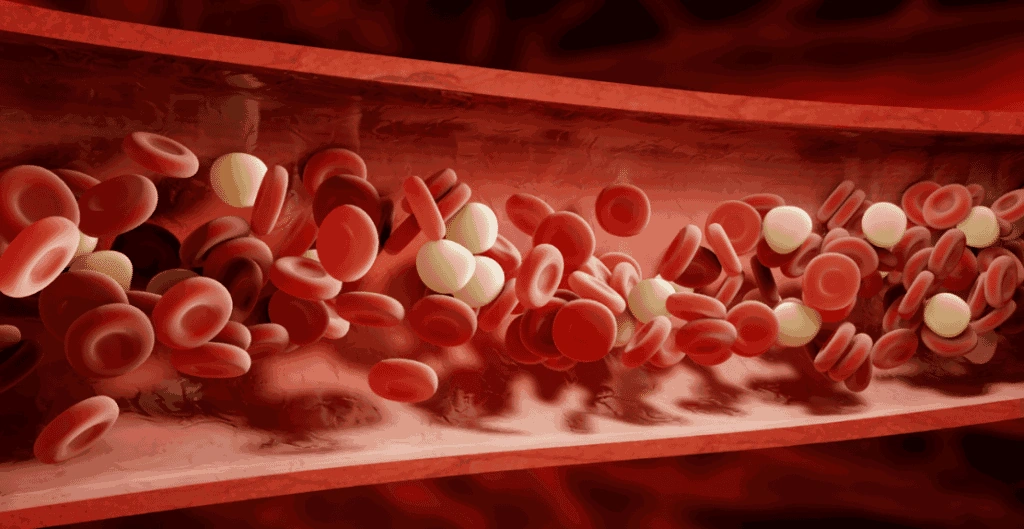
Scalp massage may stimulate hair growth by improving circulation and mechanically stimulating hair follicles. Increased blood flow can support nutrient delivery through the blood vessels, while repeated pressure may help stimulate hair growth and influence thickness over time. These effects of scalp stimulation may support hair health, but outcomes vary among individuals.
Some research over 24 weeks suggests increased hair thickness without an increase in total hair count. This indicates improved follicle function rather than new hair growth or the creation of new hair follicles. Results depend on consistency, such as regular scalp massages or a daily scalp routine, as well as the underlying condition affecting the scalp.
Scalp Massage And Hair Loss Results
Results from scalp stimulation are gradual and often subtle. Many individuals report healthier hair and improved texture rather than full regrowth. Supporting hair growth through daily massage may be more effective in early or mild cases.
Not all individuals will see visible results, especially with advanced hair loss. Consistency matters, and irregular use reduces effectiveness. Setting realistic expectations helps guide better decisions.
Is It Normal To Lose Hair During a Scalp Stimulation?
Some hair shedding during scalp stimulation is normal and part of the natural hair growth cycle. Hair in the telogen phase is already detached and may fall out more easily during massage. This does not mean the massage is causing hair loss.
If shedding increases significantly or continues over time, it may indicate an underlying issue. Conditions affecting hair follicles may require medical evaluation.
How To Do Scalp Massage For Hair Growth
Proper technique supports hair health without damaging the scalp. The goal is to gently stimulate the scalp using controlled pressure and consistent movement.
Step-by-Step Technique
- Use fingertips instead of nails
- Apply light pressure in circular motions
- Cover the entire scalp evenly
Avoid common mistakes such as applying too much pressure or combining massage with harsh chemical treatments. These can weaken hair follicles and reduce effectiveness.
Oils And Routine
Some people use hair care products, such as peppermint oil or natural oils used in scalp care routines, to support scalp health. While evidence is limited, these products may complement a routine. Consistency is more important than intensity when building a daily scalp care routine.
Benefits Of Scalp Massage For Hair
Scalp stimulation may support healthier hair by improving circulation and scalp condition. It can also help reduce stress, which may indirectly support hair health. These benefits are supportive and not a replacement for medical treatment.
Nutritional habits also play a role, as diet-related factors that affect hair health can influence overall scalp condition. A balanced routine helps maintain healthier hair and supports long-term scalp condition.
Limits Of Scalp Stimulation For Hair Loss
A scalp care routine cannot reverse genetic or hormonal hair loss. Multiple internal and external elements, such as key factors that influence hair thinning and shedding, can affect outcomes beyond scalp stimulation alone. Its role is supportive rather than corrective.
Medical treatments are often required to address the root causes of hair loss. Dr. Asi Peretz notes that proper diagnosis is essential before choosing a treatment approach.
When To See A Specialist
A specialist evaluation is important for persistent or advanced hair loss. Signs such as rapid shedding or patchy loss may indicate underlying conditions.
Modern hair restoration includes techniques such as FUE (Follicular Unit Extraction) and DHI (Direct Hair Implantation), which relocate healthy hair follicles. Methods like Choi pen implantation allow precise placement, and doctor-led procedures ensure proper handling.
Clinics in regulated environments, including those in Greece and Israel, emphasize physician training and structured follow-up. These factors support safer outcomes and more consistent long-term results.
Scheduling an appointment ensures access to qualified professionals who can provide accurate diagnoses and personalized guidance.