

Amiodarone and hair loss can be linked, but this is not a common side effect. Many patients ask, does amiodarone cause hair loss? The answer is that it can occur in some cases, but it is relatively uncommon.
Amiodarone is used to treat serious heart rhythm problems, such as atrial fibrillation, and it can affect different systems in the body, including the hair growth cycle.
Some people may notice increased shedding due to changes in thyroid hormone levels or physical stress. Hair loss related to amiodarone is often temporary and may improve once the body adjusts or the underlying issue is treated.
The risk depends on dose, duration of use, and overall health. Treatment focuses on monitoring symptoms, supporting hair regrowth, and maintaining stable heart function. Clinics such as Trichogenics, founded by Dr. Asi Peretz and Dr. Eric Peretz, evaluate these patterns to determine whether hair loss is medication-related or due to another cause.
Key Takeaways
- Amiodarone can cause hair loss in some cases, most often through telogen effluvium, which affects the hair growth cycle.
- Hair shedding usually starts a few months after treatment begins and may be related to thyroid hormone levels, treatment dose, and overall health.
- Most cases are temporary, and hair often grows back once the cause is managed.
- Doctors determine the cause by reviewing medical history, checking hormone levels, and ruling out other issues.
- Treatment focuses on monitoring symptoms and providing support for recovery as needed.
Does Amiodarone Cause Hair Loss?
Amiodarone can cause reduced hair density in some people, but it is not a common side effect. Most cases are linked to telogen effluvium. This happens when hair moves into the shedding phase too early. It is often due to stress on the body from medication or internal changes.
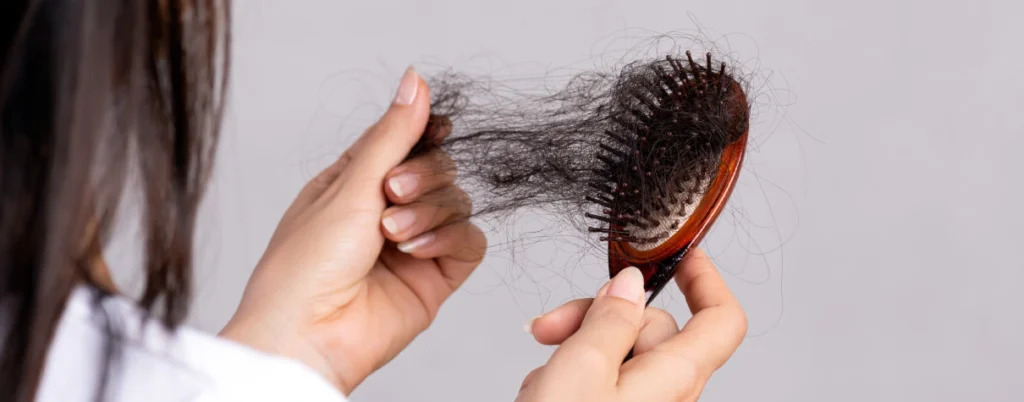
Hair shedding from medication is usually gradual. People may notice more hair falling out over the course of weeks. It does not happen all at once. This pattern helps distinguish it from other types of hair loss.
How Common Is It
Hair loss from amiodarone is not common. Most side effects affect the lungs, liver, or eyes. Still, each person reacts differently to the drug.
People with existing hair thinning may notice changes sooner. In these cases, the drug may increase the risk of visible shedding.
When Hair Shedding May Start
Hair shedding often starts a few months after treatment begins. This delay is due to the natural hair cycle. It takes time for the body to respond to changes.
Timing also depends on dose and health. Factors such as weight loss, illness, or stress can affect the timing of hair shedding.
Amiodarone Side Effects and When to See a Doctor
Amiodarone affects many parts of the body. Side effects can range from mild to serious. Reduced hair density may happen, but other effects may need more attention. Knowing these signs helps guide care.
Most Common Side Effects
Common side effects include fatigue, dry skin, and blurred vision. Some people also have mild stomach issues. These are often manageable but should be watched.
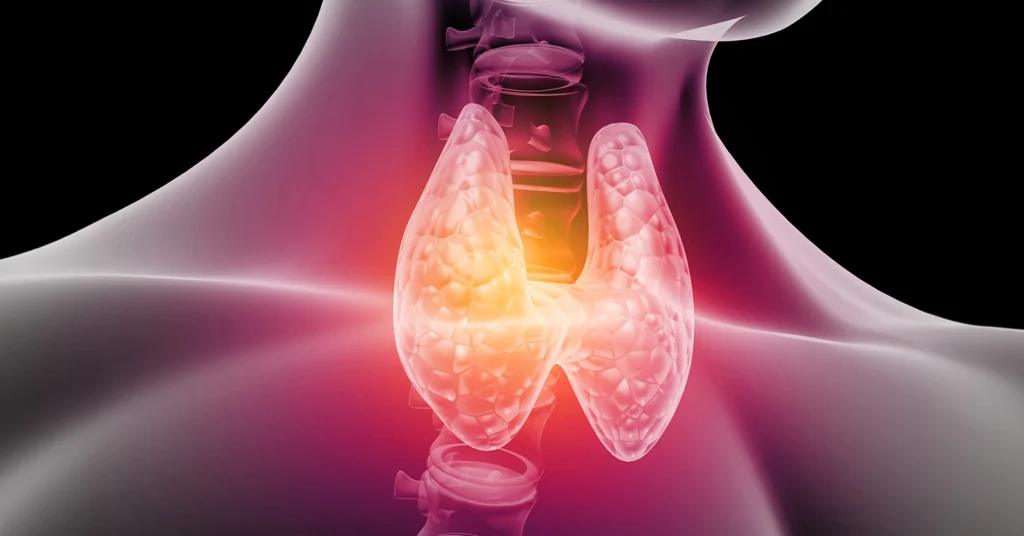
Amiodarone can also affect thyroid hormones. This may lead to weight gain or weight loss. These changes can also impact hair health.
Serious Side Effects to Know
Serious side effects include shortness of breath, chest pain, and signs of heart failure. These symptoms may point to lung or heart problems. They need quick medical care.
Other rare effects include nerve issues or vision changes. These should also be checked right away.
When Side Effects Need Attention
You should see a doctor if symptoms get worse or do not improve. Hair loss lasting more than 3 months should be evaluated. Fast thinning or new symptoms may mean a deeper issue.
Signs such as fatigue, hormonal changes, or sudden weight shifts may warrant testing. These help find the real cause.
Why Amiodarone Causes Hair Loss
Reduced hair density from amiodarone comes from internal changes, not direct damage. The drug affects hormone levels and body processes that control hair growth. This pushes hair into a resting phase.
This pattern is consistent with drug-induced hair changes described in clinical literature.
Clinical Classification of Hair Fall
Hair loss from medication is called drug-induced alopecia. The most common type here is telogen effluvium. It causes shedding across the whole scalp.
This is different from patterned hair shedding and from hormone-related triggers, such as birth control and its impact on hair. Knowing the type helps guide treatment.
Telogen Effluvium Explained
This condition occurs when many hairs enter the resting phase simultaneously. This leads to more shedding across the scalp. It is a common response to stress or hormone shifts.
Amiodarone can act as a stress factor in the body. It moves hair out of the growth phase. This increases shedding but does not harm the follicles.
Role of Dosage and Duration
Higher doses and prolonged use can increase the risk of side effects. Amiodarone builds up in the body over time. This can increase its impact on hair growth.
Regular check-ups help manage this risk. Dose adjustments may reduce side effects while maintaining a stable heart rhythm.
Factors That Increase the Risk of Hair Loss
Some factors raise the risk of hair fall with amiodarone. These include high dose, long use, and thyroid imbalance. People with these issues may be more sensitive.
Other factors include rapid weight loss, illness, or poor nutrition, which align with broader factors that affect hair health. These stress the body and disrupt the hair cycle.
How Doctors Diagnose Hair Shedding Causes
Doctors use a clear process to find the cause of reduced hair density. They review medical history and current medications. They also look at recent health changes.
This pattern is consistent with drug-induced hair changes described in clinical literature.
Step-by-Step Clinical Evaluation
Doctors follow these steps:
- Review medication timing and dose
- Check thyroid hormones and body function
- Look at how hair shedding started
- Rule out other health issues
This helps make an accurate diagnosis. It also guides treatment decisions.
Tests and Medical Evaluation
Blood tests check thyroid hormone levels and overall health. These tests find imbalances that affect hair growth. More tests may be needed in some cases.
Doctors also examine the scalp. These findings help plan care.
Monitoring and Follow-Up
Reduced hair density from medication often needs monitoring over time. Doctors track shedding, hormone levels, and overall health. This helps see if the condition is improving.
Follow-up visits allow changes to treatment if needed. Sometimes the same medication can continue with monitoring.
Other Heart Medications That Cause Hair Shedding
Some other heart drugs may cause hair changes, and related conditions, such as blood pressure issues that affect hair health, may also play a role. These include beta-blockers and anticoagulants. Their effects are usually temporary.
Each drug has a different level of risk. This helps place amiodarone in context.
Relative Risk of Hair Shedding by Medication
Medications affect hair in different ways, depending on how they impact hormones, blood flow, or the hair cycle itself. Understanding these differences helps place amiodarone in context and compare it with other treatments.
- Higher risk: drugs that change hormone balance, such as amiodarone (through thyroid hormones) or some hormonal therapies
- Moderate risk: drugs that affect blood flow, such as beta-blockers like propranolol or atenolol
- Lower risk: drugs with little effect on hair cycles, such as certain calcium channel blockers like amlodipine, and their effects on hair
This breakdown helps patients understand relative risk. It also supports more informed decisions when discussing treatment options with a doctor.
Is Hair Loss From Amiodarone Reversible
Hair shedding from amiodarone is often reversible. This is true when it is linked to telogen effluvium. Hair can grow back once the cause is fixed.
This pattern is consistent with drug-induced hair changes described in clinical literature.
How to Regenerate Hair Follicles
Hair regrowth depends on restoring balance in the body. Medical and simple care steps can help. Treatment depends on the cause.
Medical Treatment Options
Doctors may treat hormonal issues or address deficiencies, and, when appropriate, review options such as medical tablets for hair conditions. These steps address the cause of hair shedding. Each plan depends on the patient.
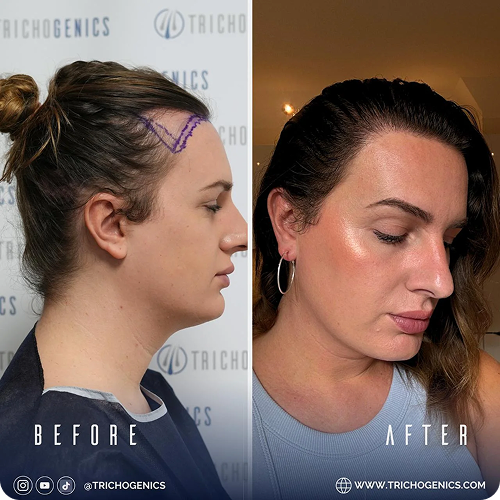
Hair restoration may also be an option. Techniques such as follicular unit extraction (FUE) and direct hair implantation (DHI) use methods like Choi pen implantation. These are doctor-led procedures with structured follow-up care.
Trichogenics operates in Greece and Israel under regulated conditions. Some people travel to Turkey or other countries, where rules may be less strict, which can affect safety and results.
Hair Care and Lifestyle Steps
Simple steps can support recovery. Good nutrition and less stress help hair health. These support regrowth over time. Avoid harsh treatments during shedding. Gentle care helps protect existing hair.
If you are experiencing hair loss while taking amiodarone, you can schedule a consultation to review your case and discuss next steps.