

Yes, you can wear a hat after hair transplant surgery, but only after a short waiting period and with the right fit. Most surgeons advise avoiding any hat in the first few days, then allowing a loose option once grafts begin to settle.
Patients often ask can you wear a hat after hair transplant because pressure or friction too early can affect healing and graft stability.
The timing depends on how the scalp heals and the technique used during surgery. The sections that follow explain when it is safe, what type of hat to choose, and what to avoid.
Key Takeaways
- You can wear a hat after a hair transplant surgery, but only after grafts have had time to stabilize, which usually means avoiding any headwear during the first few days.
- A loose fitting hat may be safe later in recovery, as long as it does not apply pressure, cause friction, or trap heat against the healing scalp.
- Wearing a hat too early can disrupt transplanted hairs, interfere with scab formation, and slow normal hair growth during the post operative period.
- The donor area and recipient area heal at different rates, so hat use should always prioritize protecting the grafted area and follow guidance from your hair transplant surgeon.
When Can You Wear a Hat After Hair Transplant?
First 3 Days
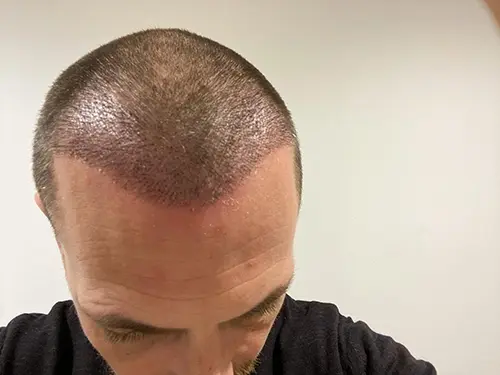
During the first three days, most surgeons advise not to wear any hat. Grafts are not anchored yet, and even light contact can disturb transplanted hairs.
This period is part of the most sensitive phase of the hair transplant recovery timeline, when keeping the scalp clean and uncovered is essential unless your surgeon instructs otherwise.
Days 4–7
Between days four and seven, some patients may begin wearing a very loose-fitting hat for short periods. The hat should not touch the grafts firmly or create friction.
Wearing a hat after hair transplant during this phase should be limited and cautious. Always follow guidance given during follow-up visits and outlined in a structured post hair transplant care plan.
After 10 Days
After ten days, grafts are usually more secure. Many patients can start wearing a hat more comfortably, as long as it fits loosely and allows airflow.
This is often when people ask how long after hair transplant I can wear a hat without concern. Even then, avoid tight fitting hats or helmets for a bit longer.

Why Timing Matters After Hair Restoration
Timing matters because grafts need blood supply to survive. Early pressure can disrupt this process and slow healing. The scalp also forms small scabs that protect the surgical sites. Disturbing them too soon can affect hair growth and comfort.
Hair restoration includes techniques like follicular unit extraction FUE and DHI. These methods still require careful aftercare despite smaller incisions. Following the recommended timeline supports a smoother hair transplant procedure outcome.
@trichogenics Can you wear a hat after a hair transplant? #hairtransplant #hairloss #trichogenics #hairfall #hairtransplantturkey #hairtransplantgreece #hairlosssolutions #hairfall #hairloss #hairfallsolution
♬ original sound - Trichogenics
Wearing a Hat After Hair Transplant: Risks
Wearing a hat too early carries clear risks. Pressure can shift grafts, and friction can remove scabs prematurely. Heat and moisture under a hat may also irritate healing skin.
Common risks include:
- Dislodging transplanted hairs
- Increased redness or swelling
- Delayed healing during the post operative phase
These risks explain why surgeons stress patience when patients ask how soon can I wear a hat after a hair transplant. Waiting reduces avoidable problems.
Safe Hat After Hair Transplant Options
Once allowed, choosing the right type of hat is important. The goal is to protect the scalp without pressure.
Safe options often include:
- Loose-fitting hats with adjustable bands
- Bucket hat after hair transplant, if it sits above grafts
- Breathable materials like cotton
Avoid hats that leave marks or feel snug. Improper choices can lead to issues similar to scabs after hair transplant.
Hat Use After Hair Transplant: Donor vs Recipient Area
The donor area and recipient area heal differently. The donor area often tolerates light contact sooner. The recipient area holds new grafts and needs more care.
When wearing a loose hat:
- Ensure no pressure on the recipient area
- Check that seams do not rub the front or crown
- Remove the hat if you feel pulling or heat
Understanding this difference helps patients start wearing headwear with fewer risks.
How to Hide Your Head After Hair Transplant
Some patients want to hide redness or scabs before hats are allowed. This concern is common and understandable. Safe alternatives can help during early recovery.
Options may include:
- Scheduling time off during early healing
- Using hairstyle changes if possible
- Staying indoors during peak redness
Avoid creative coverings not approved by your surgeon. These can cause the same problems as tight fitting hats.
Post Hair Transplant Hat and Recovery Guidelines
@trichogenics Dr Asi Peretz reacting to @LifeAsZeph post hair transplant sleep routine. Hair transplant looking fantastic! #trichogenics #hairtransplant #hairtransplantgreece #hairtransplantturkey #hairloss #hairfall #fyp #hairlosssolutions #hairlossremedy #hairtransplantjourney #fyp
♬ original sound - Trichogenics
Hair transplant recovery depends on consistent care and follow-up. Structured visits allow the surgeon to check healing and answer questions about when to start wearing headwear.
Techniques such as Choi pen implantation, DHI, and FUE all require similar caution with hats.
Doctor-led procedures emphasize patient education and follow-up. In some regions, clinics lack clear regulation or standardized care.
Patients traveling to countries with limited oversight, including parts of Turkey and other abroad locations, may face gaps in follow-up or safety standards.
Choosing clinics in countries like Israel or Greece can offer clearer regulations and structured post operative care.
Why Choose Trichogenics?
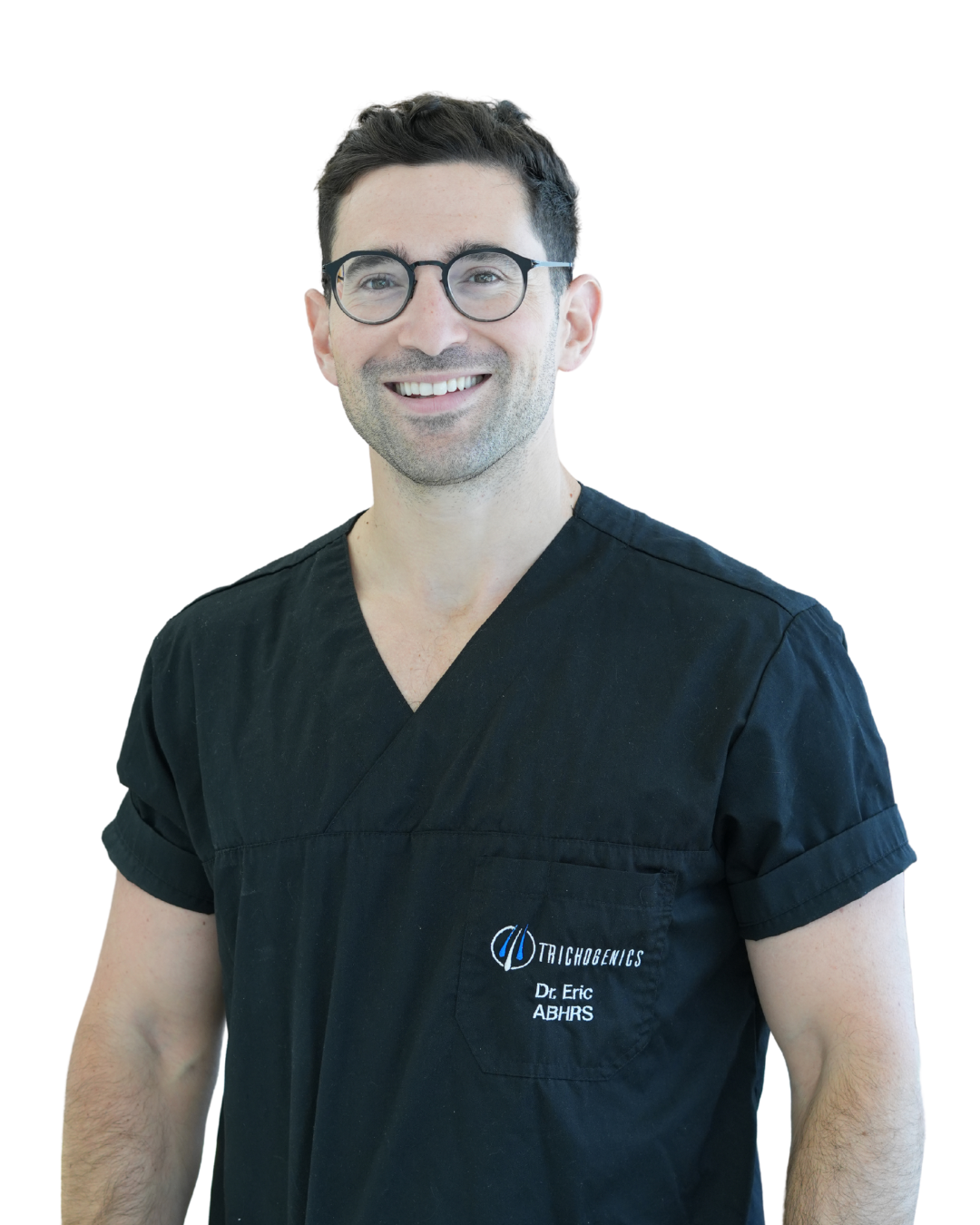
All procedures are performed only by doctors
The uniqueness of Trichogenics lies in its strict medical process; only certified doctors perform every transplant. No technicians or unqualified assistants are involved. Choosing a clinic with proven experience in hair transplants can make all the difference.
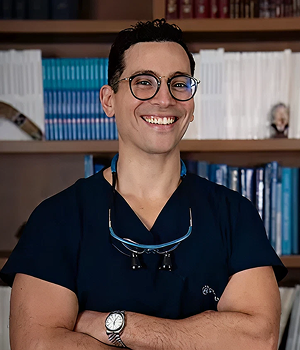
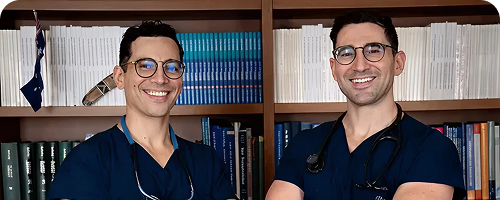
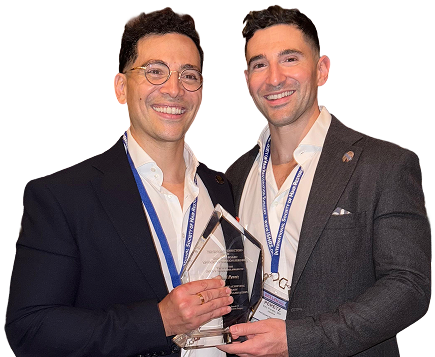
Meet Dr. Asi and Dr. Eric Peretz
The two doctors leading Trichogenics Dr. Asi Peretz and Dr. Eric Peretz are recognized leaders in the field. Their extensive experience, attention to detail, and focus on natural results make Trichogenics the best choice.
Celebrity Hair Transplants
Who has undergone the procedure at Trichogenics? The answer is clear: a safe, professional clinic that delivers results that look great even under camera lights.
Contact Trichogenics today to schedule a personal consultation and get a clear, doctor-led plan for your hair restoration.