
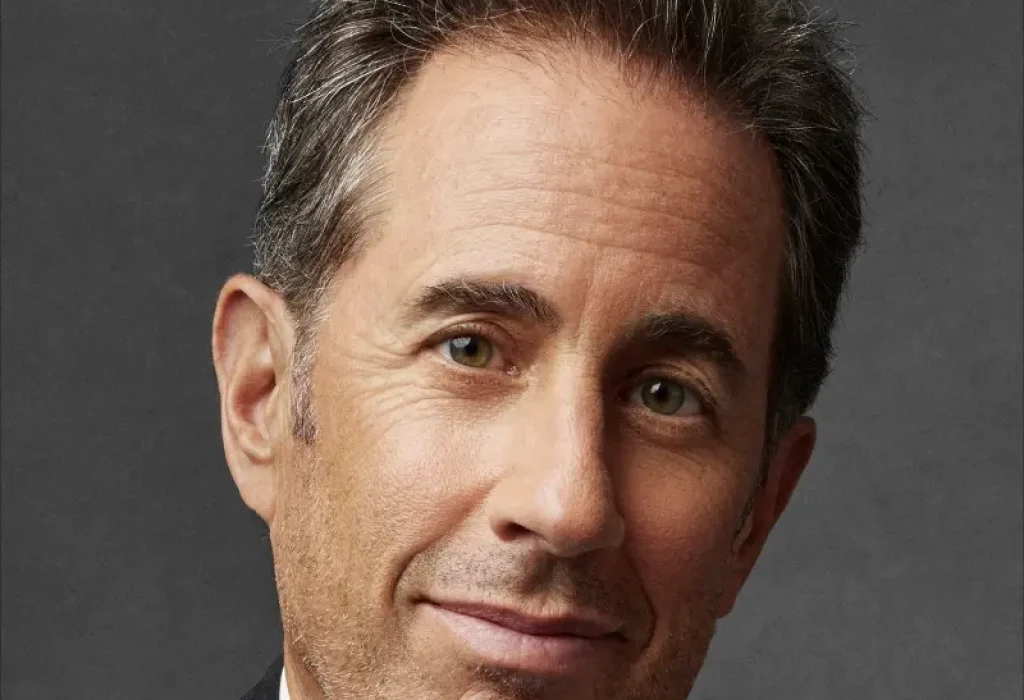
His current look points to a modern, doctor-led approach that restored density without changing what makes him recognizable. That kind of result, subtle and indistinguishable from natural growth, is the benchmark for well-executed follicular work.
Below, we cover what the visible changes suggest about the most likely technique, what the process involves, and what his transformation can teach anyone considering a similar procedure. At Trichogenics, founded by Dr. Asi and Dr. Eric Peretz, our clinics in Greece and Israel help patients achieve exactly that standard of result.
Key Takeaways
- Jerry Seinfeld’s fuller, natural hairline suggests he may have chosen a professional procedure such as FUE or FUT, although he has never confirmed it publicly.
- Modern follicular procedures can recreate natural density and direction, offering realistic results when performed by experienced physicians.
- Trichogenics clinics in Greece and Israel, founded by Dr. Asi and Dr. Eric Peretz, follow strict medical standards to ensure patient safety and long-lasting outcomes.
- Traveling to Turkey for cheaper procedures can be risky due to unregulated clinics and non-medical staff performing surgeries.
- Choosing a doctor-led clinic with proven results is the safest path to a fuller look that appears authentic and healthy.
Did Jerry Seinfeld Get a Hair Transplant?
People have asked for years whether Jerry Seinfeld got a hair transplant. His hair looks noticeably fuller today compared to his early sitcom years. Though he has never confirmed it, many believe he underwent a follicular procedure to address his receding hairline and restore his classic look.
It is worth noting that Trichogenics has no affiliation with Jerry Seinfeld or any other individual mentioned in this article. All observations are based on publicly available photographs and media reports. Nothing in this article confirms any specific treatment.
Jerry Seinfeld’s New Hair and Natural Results
His current look is clean, balanced, and completely natural in appearance, which is the hallmark of follicular work performed by a skilled physician. When the work is done at this level, the results grow and move just like the patient’s own strands, because they are.
The goal of any well-executed graft procedure is not to look like someone had work done. It is to look like they never lost anything.
[Retain existing TikTok embed from @trichogenics]
Hair Implants, Replacement, and Restoration Explained
People frequently confuse these terms, and the differences matter. Synthetic implants use artificial fibers attached to the scalp. A true follicular transplant moves your own living hair from a donor area to thinner zones. The second approach produces permanent, natural results because the relocated follicles continue to grow for life.
Some older references use the phrase “hair plugs,” a term that describes an outdated punch-graft technique common from the 1950s through the 1980s. Those early procedures moved large clusters of follicles, often producing an unnatural, doll-like appearance. Modern FUE is nothing like that. Each follicle is extracted and placed individually, which is why results like Jerry Seinfeld’s, if he had the procedure, would be indistinguishable from natural growth.
Trichogenics physicians use precision instruments and place every graft at the correct angle and density for each patient’s unique scalp pattern.
Jerry Seinfeld’s Hair Loss and Age
@trichogenics Hair transplant result and secret revealed by Dr Asi. #trichogenics #finasteride #hairloss #hairtransplant #hairtransformation #hairtok #hairtransplantsurgery #hairtransplantturkey #hairtransplantjourney #hairtransplantresults #fyp #hairfall
♬ original sound - Trichogenics
Jerry Seinfeld was born in 1954, which means he was in his late 30s and 40s during the peak years of his television run. As with millions of men, thinning near the temples became more visible as he aged. Photographs from that era show a higher, less defined hairline, a classic early sign of androgenetic alopecia, which affects roughly 50% of men by the age of 50.
Seinfeld was visibly balding through his mid-40s, though he was never fully bald in the way that a more advanced case might present. His pattern, concentrated at the temples and crown, is exactly the type that responds well to a targeted follicular procedure. His later, noticeably fuller look suggests professional treatment at some point after the show ended.
How Jerry Seinfeld’s Hairline Changed Over Time
Look back at photographs from the Seinfeld era (1989-1998), and you will see his signature curly style, including what many fans remember as a longer, somewhat voluminous silhouette in the early seasons, often compared to a mullet-adjacent shape by the late eighties. That volume was largely natural curl and length, not density at the hairline.
By his 50s, photographs show more pronounced thinning at the temples and a higher crown. In more recent public appearances, his hairline looks notably lower, denser, and better defined. That kind of change in a man’s 60s does not happen without intervention.
The transformation lines up with what a moderate graft procedure targeting the frontal zone and temples can achieve through follicular unit extraction (FUE).
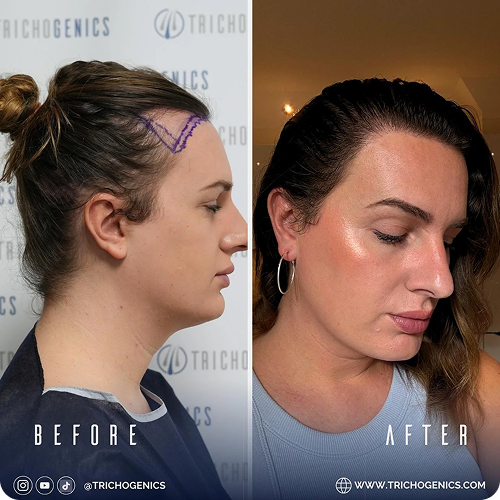
Before and After Transformation
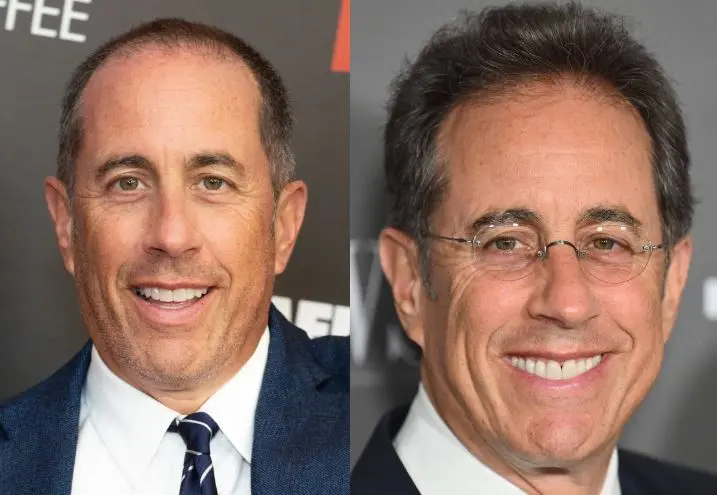
Visible Density and Hairline Improvements
Side-by-side comparisons of Seinfeld’s earlier and more recent public appearances show a meaningful difference in density and coverage. The frontal zone looks fuller, the temples are more defined, and the overall frame of his face reads as younger without looking artificial.
Specialists attribute this type of transformation to precise graft placement that matches the natural direction and angle of existing follicles. When planned and executed correctly, there are no straight rows, no obvious density lines, and no telltale signs of a procedure.
Recovery Timeline and Post-Procedure Care
Recovery from a modern FUE procedure is relatively straightforward. Most patients return to their normal routine within a few days, though the scalp requires careful attention during the early healing phase. Standard aftercare typically includes:
- Avoid touching or scratching the scalp for the first several days
- Sleep with your head elevated for the first week to reduce swelling
- Use only the shampoo your physician recommends during initial healing
- Avoid strong, direct sunlight for at least two weeks
- Attend all scheduled follow-up appointments to monitor graft survival and early growth
Full recovery takes considerably longer than the initial healing period, with final density and growth typically visible between 9 and 14 months after the procedure.
Possible Hair Procedures and Costs
FUE vs. FUT Techniques Explained
If Seinfeld had a follicular procedure, FUE is the most likely method based on his visible results. Follicular unit extraction (FUE) removes individual follicle groups from the donor area, typically the back of the scalp, without cutting a strip of tissue. This means no linear scar and a faster, more comfortable recovery.
FUT (follicular unit transplantation) removes a thin strip of scalp skin, from which grafts are then separated and transplanted. It can be effective for patients who need a higher graft count, and in skilled hands, the resulting scar is typically hidden by surrounding growth. Both techniques can deliver excellent outcomes when performed by a qualified physician.
The right choice depends on the patient’s degree of loss, donor density, and personal preference regarding recovery time and scarring.
How Much Do 3,000 Hair Grafts Cost?
Cost depends on the number of grafts, the extent of the area being treated, and the quality of the clinic. A procedure addressing moderate loss, in the range of 3,000 grafts, typically costs between €3,000 and €7,500 at certified, physician-led clinics in Greece or Israel.
Clinics in certain other countries, including some operations in Turkey, may advertise significantly lower prices. These reduced costs frequently reflect the use of unlicensed technicians rather than qualified surgeons, which raises the risk of infections, scarring, and unnatural density. Quality, physician-led care in a regulated medical environment is the standard worth comparing against.
Celebrity Hair Transplants and Comparisons
Which Celebrities Have Hair Transplants?
Seinfeld is far from the only public figure whose noticeably thicker coverage has prompted speculation. Many actors, musicians, and athletes have reportedly chosen follicular procedures to maintain a confident, camera-ready appearance. For a full breakdown, see our article on celebrity hair transplants.
What connects most of these cases is the quality of the result. The transformations that attract the most attention are the ones nobody notices until someone points them out.
Why Celebrity Results Look So Natural
The difference between a result that looks completely natural and one that does not comes down to surgeon skill and pre-procedure planning. Top physicians use digital mapping to determine the correct graft count, placement zones, and follicle angles before a single incision is made.
Every detail is planned in advance, including the subtle irregularity that real hairlines always have. A physician who designs a perfectly straight frontal line creates an instantly detectable result. A subtle, irregular line built to match the patient’s facial structure and age reads as genuinely their own. That is the standard Jerry Seinfeld’s current appearance suggests was applied.
@trichogenics FUT or the strip method vs FUE, which is better? Which method is best for you? #hairtransplant #hairloss #fue #fut #stripmethod #hairtransplantturkey
♬ 提示音 - unknown
Lessons from Jerry Seinfeld’s Hair Restoration
Why Doctor Expertise Ensures Safe and Consistent Results
A follicular procedure is surgery. It requires detailed anatomical knowledge, an understanding of scalp health and donor density, and the clinical judgment to plan a result that will still look proportionate decades from now.
Dr. Asi Peretz, co-founder of Trichogenics, emphasizes that patient safety must come first in every case. Clinics that delegate procedures to untrained technicians, regardless of price point or marketing, expose patients to real risks: infections, permanent scarring, graft failure, and unnatural density patterns that are difficult or impossible to correct.
Trichogenics clinics in Greece and Israel operate within strict European regulatory frameworks, where every procedure is performed by a licensed physician from start to finish.
Choosing a Trusted Clinic
Before choosing a clinic, ask four questions:
- Is a certified surgeon performing the entire procedure, not just overseeing technicians?
- Does the clinic provide full transparency about the procedure, realistic outcomes, and recovery?
- Is the facility a licensed medical center operating under national or European health regulations?
- What post-procedure support does the clinic offer during the healing phase?
If a clinic cannot answer all four clearly, that is your answer.
@trichogenics #onthisday throwback to Dr Eric and Celebrity hair transplants. #trichogenics #hairtransplant #hairtransplantturkey #fypage
♬ original sound - Trichogenics
Frequently Asked Questions About Jerry Seinfeld’s Hair Transplant
Did Jerry Seinfeld get a hair transplant?
He has never confirmed it publicly. Based on publicly available photographs, many observers believe he may have had a follicular procedure to restore a more youthful hairline. Trichogenics has no affiliation with Seinfeld and cannot confirm any specific treatment.
Did Jerry Seinfeld have plastic surgery?
Seinfeld has not confirmed any cosmetic procedure, including plastic surgery. Some observers have speculated about broader changes to his appearance over the years, but there is no verified public information confirming surgical or non-surgical cosmetic work beyond what is widely discussed regarding his hairline. Any speculation about his appearance should be understood as exactly that.
How long does recovery take?
Most patients return to their normal routine within a week after an FUE procedure. Final results, including full density and natural growth, typically appear between 9 and 14 months after surgery.
How much does a celebrity-style procedure cost?
At a certified, physician-led clinic in Greece or Israel, a procedure of this scope typically falls between €3,000 and €7,500, depending on graft count and the area being treated.
At Trichogenics, every treatment is performed by Dr. Asi and Dr. Eric Peretz, with a focus on safe, natural, and long-lasting results. Whether you need targeted coverage or a more complete approach, our doctor-led team gives every patient the same standard of care and attention.
A follicular procedure should always be a medical decision, not a rushed one. Avoid unregulated clinics that cut corners on safety. Contact Trichogenics in Greece and Israel for a clear, doctor-led plan.
Why Choose Trichogenics?
All procedures are performed only by doctors.
The foundation of Trichogenics is a strict medical process. Only certified physicians perform every procedure. No technicians, no unqualified assistants. That standard applies to every patient, every time.
Meet Dr. Asi and Dr. Eric Peretz
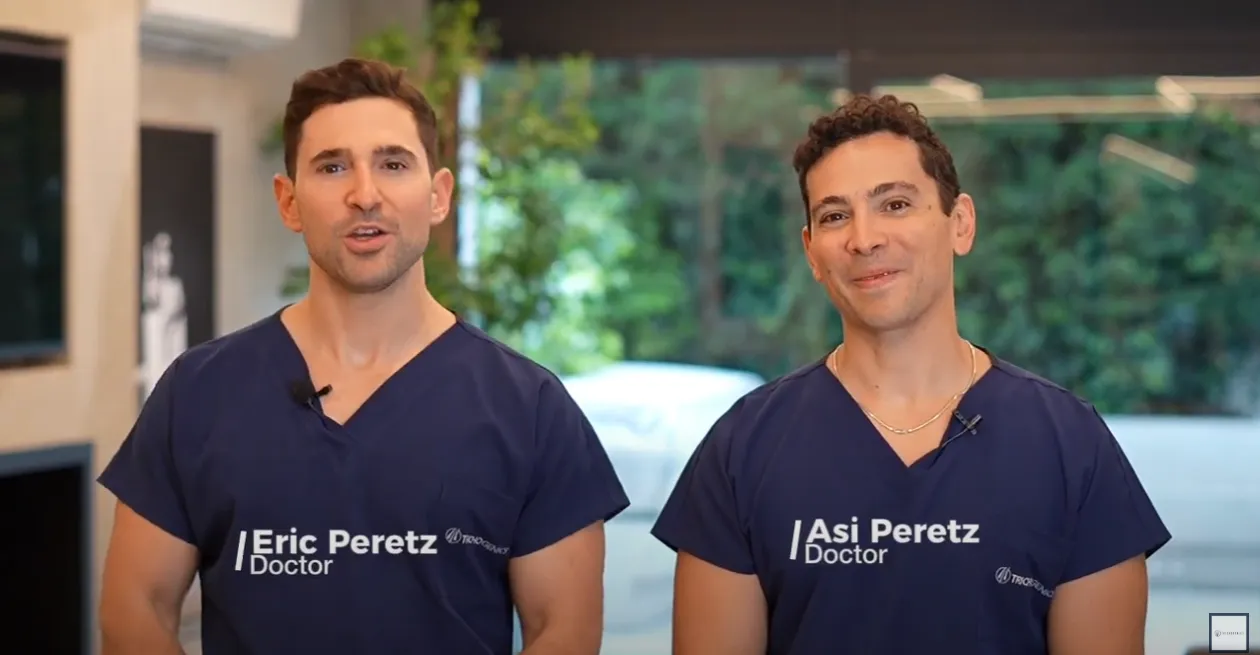
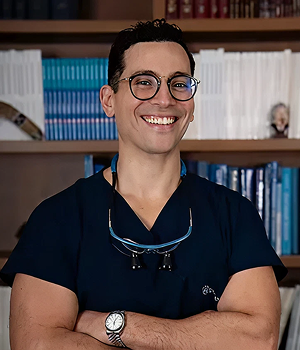
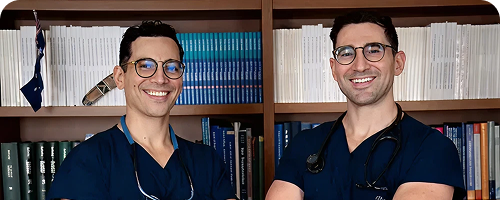
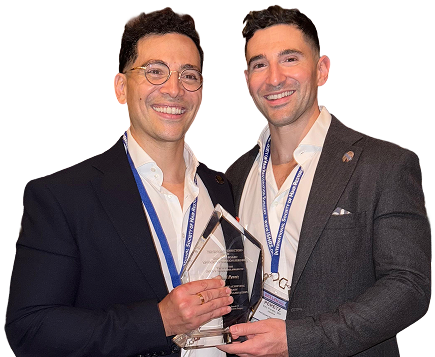
Dr. Asi Peretz and Dr. Eric Peretz lead Trichogenics with extensive experience in follicular restoration, attention to detail, and a consistent focus on natural results. Dr. Asi Peretz holds a Diplomate from the American Board of Hair Restoration Surgery (ABHRS), is a Fellow of the World FUE Institute, and is a member of the International Society of Hair Restoration Surgery (ISHRS).
Trichogenics has performed over 4,000 procedures, holds a 4.9-star rating across more than 200 reviews, and delivers results that hold up under camera lights and everyday scrutiny alike.
Contact Trichogenics today to schedule a consultation and get a doctor-led plan built around your specific needs.