
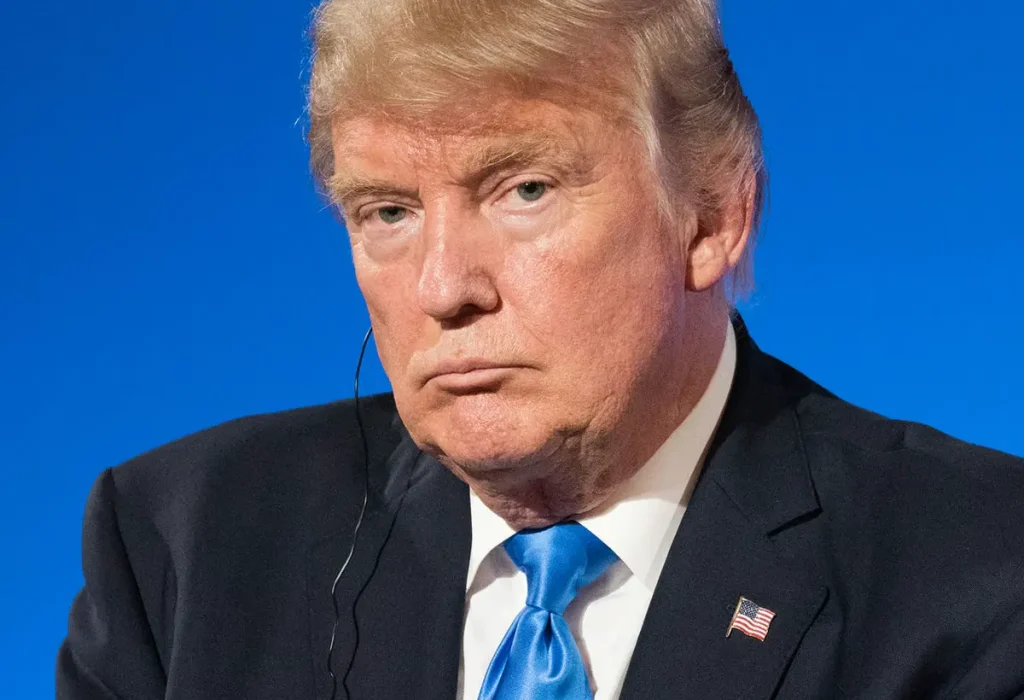
His long-term density and tightly controlled styling raise real questions about FUE, FUT, or older scalp reduction techniques. The exact method is unknown, but the visible change makes some kind of intervention very likely.
Key Takeaways
- Several signs suggest Donald Trump may have undergone surgical restoration, based on shifts in density, hairline shape, and long-term coverage.
- Older techniques like scalp reduction and flap rotation may explain his early results, while modern FUE and FUT methods could reflect later refinement.
- Celebrity cases show how surgeons help public figures maintain a natural look, especially when long-term image matters.
- Anyone considering the procedure should choose a doctor-led clinic in a regulated country and avoid low-cost destinations like Turkey due to safety risks and lack of oversight.
Donald Trump Hair Transplant Timeline & Hairline Changes
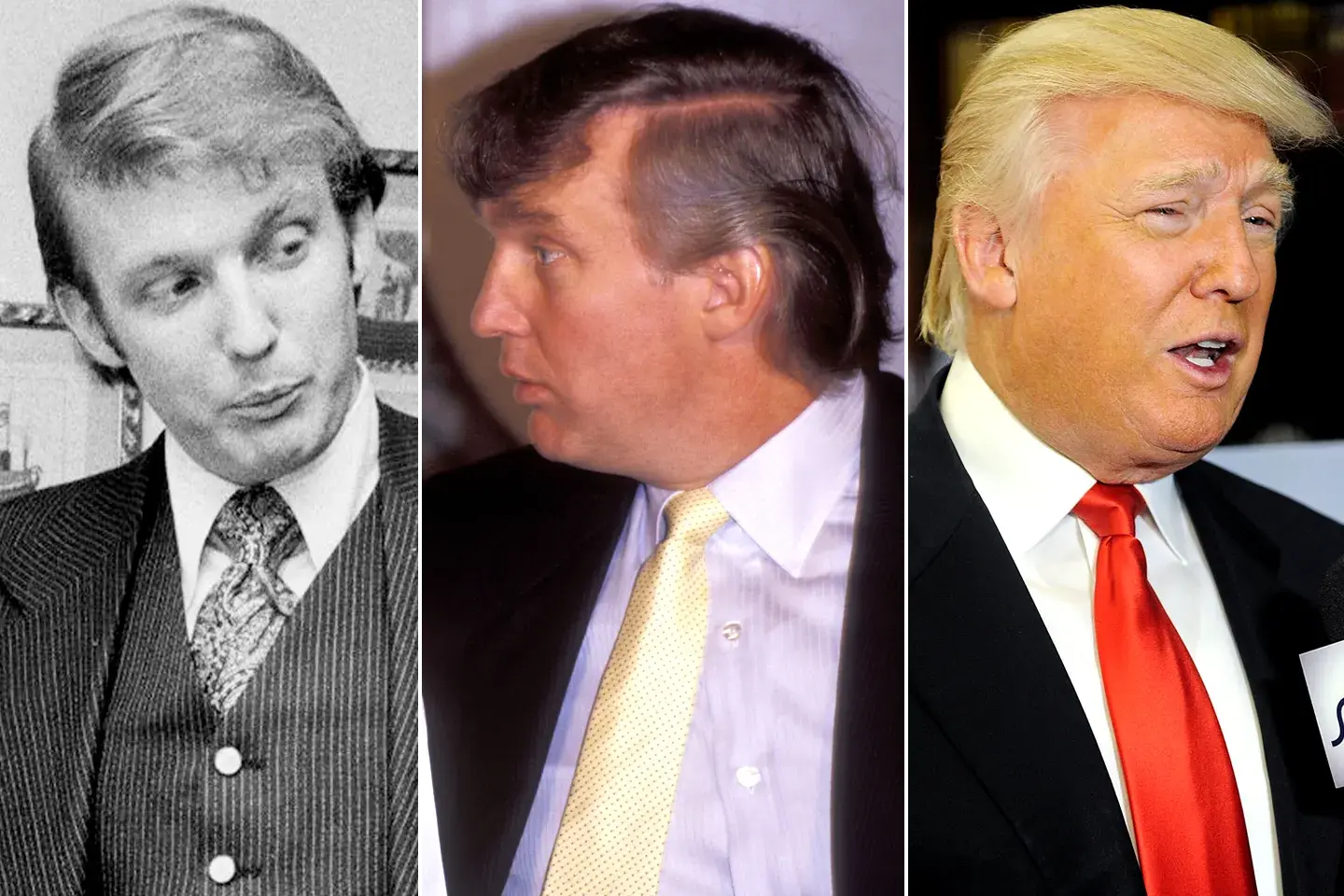
Tracking the Trump hair transformation timeline means comparing decades of public photos side by side. The pattern that emerges, thinning followed by a fuller, more consistent look, is one of the clearest reasons the transplant debate keeps resurfacing.
A summary of how Trump's public hairline is commonly described by era, alongside the explanation most often offered by outside commentators. None of this is a confirmed medical record.
Era boundaries are approximate. The hairline descriptions summarize public photos and the explanations come from outside commentators, so they are opinion and speculation, not medical fact. Trump has not confirmed any surgical procedure, and Trichogenics has not treated or examined him. No source above publishes a decade-by-decade hairline measurement, so none is shown.
This table reflects public observation and expert commentary, not a confirmed medical record. Trump has not confirmed any surgical procedure, and it should be read as a summary of an ongoing public debate, not a diagnosis.
Trump hair transplant before and after
Old photos show thinning and a wide recession at the temples. Newer photos show more density and far less scalp visible on camera. This shift is a major reason so many people believe a Donald Trump hair transplant took place.
Easy signs people notice:
- More density in the front
- Less scalp visible on camera
- Fuller-looking coverage than before
These changes did not appear overnight. They built gradually, the way results from a staged transplant procedure typically do. The before-and-after comparison remains one of the strongest points in the debate.
How the Trump hairline evolved publicly
In the 1980s, his hairline was high and uneven. Later, it looked lower and smoother, a pattern that matches results seen in restoration patients.
The shape also looks controlled and styled to hide thinning. This may mean new follicles were placed at the front to improve coverage and density.
What has Trump done to his hair?
Many people ask what Trump has done to keep his look so consistent, because the change is clear. Trump turned 80 in June 2026, and it’s unusual for a man his age to hold this much visible volume without some form of intervention. A Donald Trump hair transplant theory may explain how he slowed visible thinning over the decades.
At times, a gust of wind reveals how the strands are arranged. This has led experts to think he had some medical help to keep his appearance stable in public.
Hair Restoration Procedures Linked to Trump
FUE, FUT, and modern transplant methods
There are two common techniques used today:
- FUE (follicular unit extraction): Small punches remove individual follicles. Healing is fast.
- FUT (follicular unit transplantation): A thin strip of scalp is removed to harvest grafts. More grafts in less time.
Both methods, sometimes called hair implants by people researching the procedure, move follicles from the donor area to the front. A FUE approach could explain Trump’s natural look, since the results blend well into existing coverage.
Trump scalp reduction and early flap procedures
Before FUE and FUT existed, surgeons relied on older techniques. One was scalp reduction, where the bald scalp was cut away and the hair-bearing scalp pulled forward. Another was rotational flap surgery, which moved a flap of scalp to cover bald skin quickly.
Many believe a Trump hairline scalp reduction may have taken place early in his life. It could explain the tight direction of his hair and the thick frontal coverage he has maintained since.
@trichogenics What is the difference between FUE and FUT hair transplants? What method of hair transplant is best? Dr Asi Peretz explains #trichogenics #hairtransplant #hairtransplantsurgery #hairtransplantturkey #hairtransplantgreece #hairtransplantcolombia #FUE #fue #fut #fuehairtransplant #futhairtransplant #hairloss #hairfall #hairlosssolutions ♬ original sound – Trichogenics
Trump hair replacement vs hair transplant
Hair replacement means a non-surgical system, glued or taped to the scalp. Some people simply call this a wig, and it needs regular maintenance and can look different under bright light. A transplant, by contrast, lasts long-term and behaves like real hair, because it is real hair, just relocated.
Trump’s hair moves in the wind, grows, and looks real. There are no visible edges of a hair system or wig. This supports the idea of a transplant theory rather than a hairpiece.
Evaluating the Trump Hairline Expert Indicators
Density, direction, and graft placement patterns
Transplanted follicles tend to grow in defined lines and angles. Trump’s pattern follows this closely. Density is strongest at the front, which fits with someone who received staged sessions over time.
Donor area clues & visibility in wind and lighting
The donor area can look thinner if a large number of grafts were removed from it. At times, when wind lifts his hair, some viewers report seeing more scalp behind the crown. People sometimes ask does Trump get hair transplants on a recurring basis, and these donor-area details are part of why that theory persists among close observers.
Trump Medical Context & Public Speculation
What is Donald Trump’s medical condition?
Public health records show age-related issues but no confirmed cosmetic surgery. Any hair loss treatment he may have used has likely stayed private. Many people believe results like his are rare without some kind of medical help.
How health and aging may influence restoration choices
Male pattern baldness affects a large share of men as they age. Hair loss often pushes public figures toward treatment, since image plays a real role in their careers. If Trump wanted to maintain a fuller look, transplanting new follicles could have helped him hold a stable appearance for decades.
Does Trump Dye His Hair? Hair Color vs. Surgical Restoration
Hair color is a separate question from surgery, and search interest in both often overlaps. Over the decades, Trump’s hair color has shifted in photos, from a deeper brown in earlier years to the brighter golden tone widely discussed in media coverage today.
So does Trump dye his hair? A color shift this pronounced, especially one that holds a consistent tone across public appearances, is generally the result of some form of coloring rather than natural aging alone. Natural graying typically moves toward gray or white, not a stable golden or copper shade.
Dermatologists and stylists who work with public figures often note that color touch-ups and surgical maintenance tend to get scheduled around the same events, since a consistent on-camera look matters more to that routine than either change does on its own.
Celebrity Hair Restoration Trends & Public Reaction
@trichogenics #onthisday throwback to Dr Eric and Celebrity hair transplants. #trichogenics #hairtransplant #hairtransplantturkey #fypage ♬ original sound – Trichogenics
Why high-profile figures pursue hair restoration
Public figures depend heavily on their image. A full, natural-looking hairline reads as youthful and can boost on-camera confidence. Many choose celebrity hair transplants to protect that image, and Trump may have done the same to maintain a strong presence across business and politics.
How media coverage fuels public curiosity
People notice every detail of President Trump’s appearance. Photos, video clips, debates, and news coverage keep the topic alive. With more than 40 years of footage available, even small changes become part of the public conversation.
Considering a Hair Transplant Yourself?
How much is 3,000 hair grafts in the USA?
Cost varies by clinic, technique, and location, but 2026 industry data gives a clear picture. In the United States, a 3,000-graft procedure typically runs from about $9,000 to $17,000, with many patients landing between $10,000 and $14,000 once technique and surgeon experience are factored in.
Typical total cost ranges reported by U.S. clinics in 2026, grouped by graft count. Actual quotes vary by surgeon, technique, and location.
All cost ranges are approximate. No professional body, such as the ISHRS or ASPS, publishes an official graft-by-graft U.S. price list. These ranges blend the three clinic-published sources above, which use slightly different graft bands, so the bands here are rounded to a common set and the figures are not quoted from any single page. Actual pricing depends on the surgeon, technique (FUE or FUT), and city. The per-graft row is "n/a" because the sources report widely different rates by clinic tier, roughly $2 to $15 per graft, and no single figure applies.
Per-graft pricing varies by clinic and total graft volume; smaller sessions often carry a higher rate per graft, while larger sessions bring the per-graft cost down. The ranges above reflect typical 2026 U.S. totals once per-graft rates and clinic fees are combined. Some people travel to low-cost countries like Turkey instead, but this comes with real risk.
We advise avoiding Turkey because:
- Many clinics lack direct doctor supervision
- Medical regulation is weaker
- Infection and scarring risk is higher
- Foreign patients have little legal protection if something goes wrong
A low price does not mean safe care. Patients need to trust the surgeon, the technique, and the clinic’s hygiene standards before committing to a procedure.
What affects cost and final hair density
Three factors shape both cost and results:
- Technique used (FUE or FUT)
- Size of the donor area
- Survival rate of transplanted follicles
FUE offers more flexible placement, while FUT can deliver a higher graft count in a single session. The table above reflects national averages; actual quotes depend on your specific case.
Choosing a qualified, doctor-performed clinic
Trichogenics performs surgery directly through licensed doctors in Greece and Israel. We do not rely on untrained technicians or mass-production methods common at many clinics in Turkey. Safety matters more than price.
A good clinic should offer:
- Doctor-led planning
- A clean surgical environment
- Long-term growth tracking and follow-up care
Dr. Asi Peretz and our surgical team focus on results that look natural even up close. Patients deserve lasting coverage, not a short-term fix.
Frequently Asked Questions
Did Trump have a hair transplant?
Trump has never confirmed any procedure publicly. The strongest evidence is circumstantial: decades of side-by-side photos showing a hairline that moved from thinning to consistently fuller, the kind of shift experts associate with scalp reduction, flap surgery, or staged graft work.
Does Trump wear a wig?
The main evidence against a wig is behavioral, not just visual: it parts unevenly in weather, has been photographed mid-regrowth between touch-ups, and shows no seam or lace line under bright lighting, signs a non-surgical system typically can’t hide for long.
How old is Donald Trump?
Trump was born on June 14, 1946, and turned 80 in 2026. His age is part of why the consistency of his coverage draws so much attention from hair restoration specialists.
Does Trump dye his hair?
Most likely, yes. His hair color has stayed closer to a solid gold or copper tone across years of public appearances, a consistency that’s harder to maintain naturally than a single shift in shade would be
What technique did Trump most likely use?
No technique is confirmed. Based on visible patterns, older methods like scalp reduction or rotational flap surgery are commonly discussed for his earlier years, while modern FUE or FUT work is more often raised to explain his more recent, refined look.
Why Choose Trichogenics?
All procedures are performed only by doctors
The uniqueness of Trichogenics lies in its strict medical process, only certified doctors perform every procedure. No technicians or unqualified assistants are involved. Choosing a clinic with proven experience in surgical hair restoration can make all the difference.
Celebrity Hair Transplants
Who has undergone the procedure at Trichogenics? The answer is simple: a safe, professional clinic that delivers results built to hold up even under camera lights.
Contact Trichogenics today to schedule a personal consultation and get a clear, doctor-led plan for your restoration.
Dr. Asi Peretz
Dr. Asi I. Peretz is a hair restoration surgeon who began his medical career after earning his degree in South Africa in 2013. He initially worked in trauma surgery and emergency medicine, where he gained experience managing complex and urgent medical cases. This foundation helped him develop strong surgical precision and patient care skills. In 2017, he transitioned into hair transplantation and discovered a long-term focus on hair restoration. He trained with experienced surgeons and refined advanced techniques to deliver natural-looking results. His work centers on improving patient confidence through precise, medically sound procedures. Dr. Peretz holds several respected credentials in the field. He is a Diplomate of the American Board of Hair Restoration Surgery, a Fellow of the World FUE Institute, and a Full Member of the International Society of Hair Restoration Surgery. These distinctions reflect his ongoing commitment to professional standards, safety, and quality care.
Disclaimer
This article is intended for informational purposes only. Trichogenics has no affiliation with any celebrity, public figure, athlete, politician, businessperson, or any other individual mentioned in this article. All references to public figures are based on publicly available information, media reports, publicly released photographs, and speculation published in the media.
Trichogenics has not treated, advised, diagnosed, or received authorization from any individual mentioned in this article. Nothing in this article should be interpreted as a statement, confirmation, or claim that any specific individual has undergone a hair transplant or any other medical treatment.