
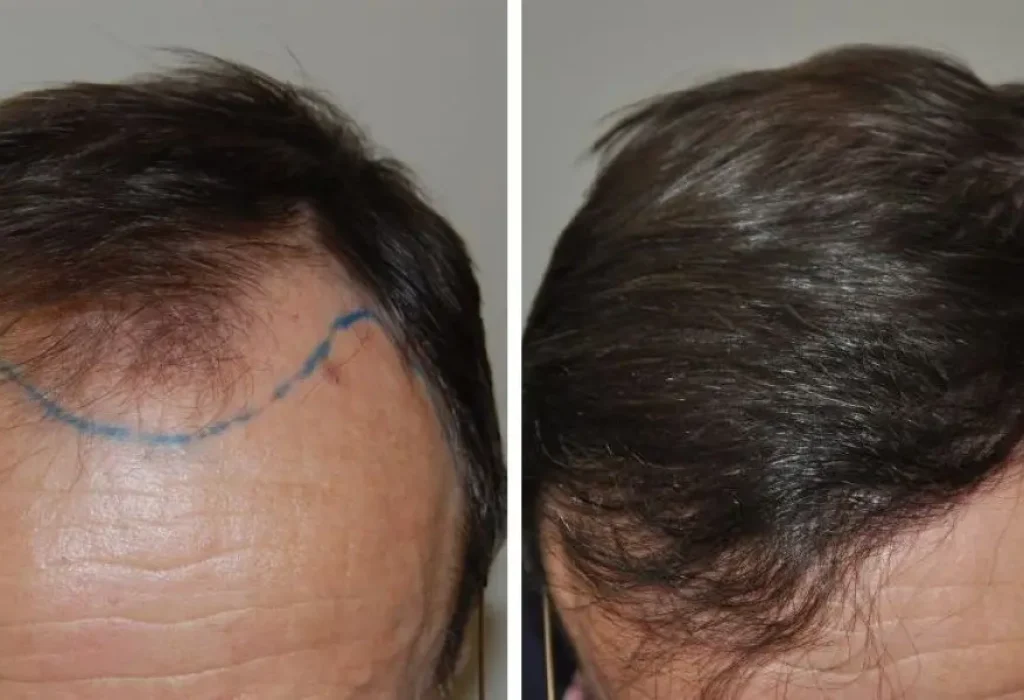
A hair transplant with about 1,500 grafts is often chosen by people with early to moderate hair loss. This option offers visible improvement without needing extensive surgery. This method targets specific areas, such as the frontal hairline or small crown thinning. It does not aim to create a full head of hair.
A 1500-graft hair transplant moves healthy follicles from a donor area to thinning zones under local anesthesia. Understanding how this graft count fits into the broader hair transplant recovery timeline helps patients set realistic expectations for healing and growth.
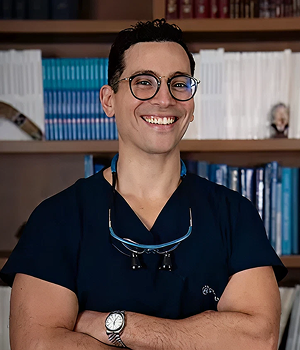
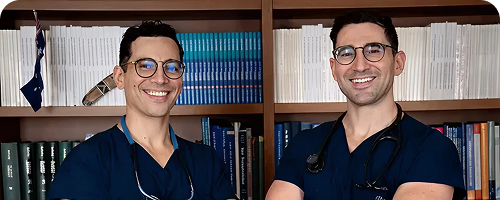
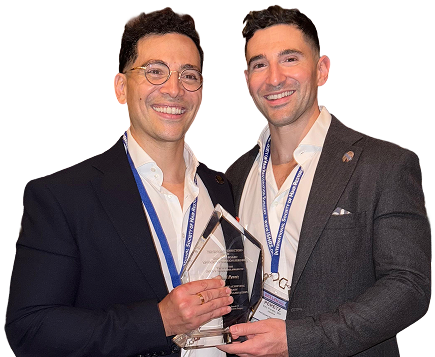
Trichogenics was founded by Drs. Asi and Eric Peretz. All procedures are performed in Greece and Israel under regulated medical systems with structured follow-up care.
Key Takeaways
- A 1500-graft hair transplant works well for mild to moderate hair loss. It usually improves the hairline or small crown areas, not a full head of hair.
- Results depend on how hair grafts are distributed, the quality of the donor area, and realistic expectations about density and coverage over time.
- Modern techniques such as FUE hair transplants allow precise extraction and placement of follicles, which support natural-looking outcomes when performed with proper planning.
- Cost, recovery, and long-term success depend on the technique used, the doctor’s role, and follow-up care. This underscores the importance of clinical evaluation and regulated medical settings for decision-making.
What a 1500 Grafts Hair Transplant Covers
How much hair is 1500 grafts?
The number of grafts refers to follicular units that may contain one to four hair follicles each. In a hair transplant 1500 grafts procedure, this often equals about 2,500 to 3,500 hairs, depending on graft composition.
This amount improves visible thinning but does not recreate dense coverage across the entire scalp. Surgeons often reference principles of hair transplant density when determining whether 1,500 grafts will meet aesthetic goals.
Key points to understand about grafts:
- One graft is not the same as one hair
- Graft composition varies by patient
- Density depends on placement strategy, not graft count alone
Hairline, crown, and coverage limits
A 1,500 grafts transplant is commonly used for frontal restoration or mild crown thinning. Crown areas usually require more grafts because hair grows in circular patterns and needs higher density.
Coverage also depends on scalp size and existing hair.
Areas commonly treated with 1,500 grafts include:
- Frontal hairline recession
- Frontal third thinning
- Small crown or vertex zones
@trichogenics 32 year old male 3200 grafts Average: 2.35 hairs/graft FUE 24 months after surgery #trichogenics #hairtransplant #hairtransplantturkey #hairloss #hairlosssolutions
♬ original sound - Trichogenics
Who Is a Good Candidate for 1500 Grafts
Is 1500 grafts enough for you?
Whether 1,500 grafts are enough depends on your hair loss pattern, goals, and donor supply. Patients seeking modest improvement often benefit the most.
This assessment aligns with broader recommendations discussed in what is the best age for a hair transplant, where timing and progression play a key role.
Receding hairline and hair loss stage
This graft count works best for mild to moderate hair loss. Advanced hair loss often requires multiple sessions. Hair loss progression must be taken into account to avoid uneven results over time.
Donor area requirements
The donor area must contain enough strong follicles to support extraction. Doctors assess density and long-term preservation before surgery.
Doctors typically evaluate the donor area based on:
- Hair density and thickness
- Scalp elasticity
- Long-term hair loss risk
1500 Grafts Hair Transplant Results
Hair transplant 1500 grafts before and after
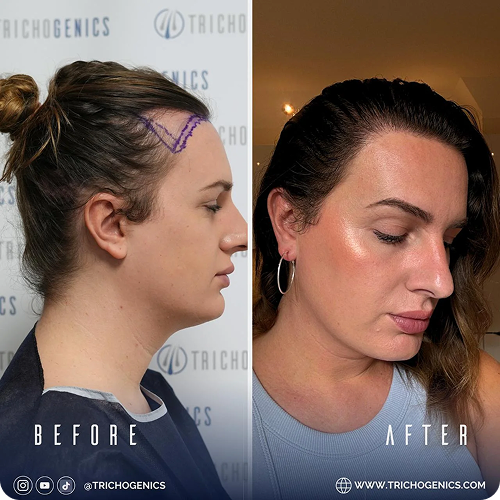
A hair transplant, 1500 grafts before and after comparison, usually shows improved framing rather than dramatic density changes. Results look natural when grafts follow the direction and spacing of existing hair.
A 1500-graft hair transplant before and after outcome should be viewed with realistic expectations. Photos should always be assessed alongside clinical details.
What results look like at 12 months
Transplanted hair typically sheds early and begins regrowing after several months. By 12 months, most patients see mature results with improved coverage and texture.
Density can continue to improve beyond one year. Growth timing varies between individuals.
How a 1500 Graft Hair Transplant Is Performed
Doctor evaluation and planning
Hair transplant surgery starts with a medical consultation and scalp analysis. Doctors evaluate hair loss patterns, graft availability, and aesthetic goals before planning surgery.
Dr. Asi Peretz, as a physician experienced in hair restoration, highlights planning as a key clinical step. Proper design helps protect healthy hair and achieve balanced results.
Graft extraction and placement
Grafts are extracted and implanted under local anesthesia using controlled methods. Choi pen implantation is a well-known method for accurate placement. DHI and FUE are popular techniques used today.
Each hair follicle is handled carefully to support survival. Precision reduces trauma and supports consistent growth.
FUE vs FUT for 1500 Grafts
Key differences between FUE and FUT
Follicular unit extraction FUE removes individual grafts directly from the donor area. Follicular unit transplantation FUT removes a narrow strip of scalp that is later dissected into grafts. Both methods are established in hair restoration surgery.
Main differences include:
- FUE leaves small dot scars; FUT leaves a linear scar
- FUT may allow a higher graft yield in one session
- FUE often offers more hairstyle flexibility
Which option fits your goals
Technique choice depends on donor characteristics, hairstyle preferences, and long-term planning. Some patients prioritize minimal scarring, while others focus on graft efficiency. A physician helps match the method to clinical needs.
@trichogenics What is the difference between FUE and FUT hair transplants? What method of hair transplant is best? Dr Asi Peretz explains #trichogenics #hairtransplant #hairtransplantsurgery #hairtransplantturkey #hairtransplantgreece #hairtransplantcolombia #FUE #fue #fut #fuehairtransplant #futhairtransplant #hairloss #hairfall #hairlosssolutions
♬ original sound - Trichogenics
1500 Grafts Hair Transplant Cost
1500 grafts hair transplant cost explained
The 1500-graft hair transplant cost varies by country, clinic standards, and physician involvement. Pricing reflects medical oversight, facility quality, and follow-up care rather than graft numbers alone.
Evaluating value means considering safety and outcomes, not only price.
How much do 1500 hair transplants cost in Turkey?
Lower prices abroad can appear attractive, but medical regulations differ significantly. Turkey and other countries may offer reduced costs, yet patient safety concerns include limited physician involvement and inconsistent follow-up.
These issues are examined in Are Hair Transplants in Turkey Safe? “, which explains why many patients choose regulated environments such as Greece or Israel, where standards and accountability are enforced.
Recovery After Hair Transplant 1500 Grafts
The first days after surgery
The post op period usually includes mild swelling, redness, and scabbing. Patients receive care instructions to protect grafts and reduce irritation. Following guidance closely supports healing.
Standard early recovery instructions include:
- Gentle washing after the first day
- Avoiding the sun and heavy activity
- Sleeping with head elevation
When transplanted hair starts growing
Shedding occurs within weeks, followed by gradual regrowth. New hair often becomes visible between three and six months.
Continued improvement can occur up to a year. Structured patient follow-up helps track progress and address concerns.
Risks and Long-Term Planning
Donor area limits
The donor area has a finite number of usable follicles. Overuse can affect appearance and future options. Carefully planning graft use supports long-term balance.
Managing future hair loss
Hair loss may continue after surgery, making planning essential. Some patients need medical therapy or additional procedures later. Long-term strategies help maintain consistent results as hair loss evolves.
Why Choose Trichogenics?
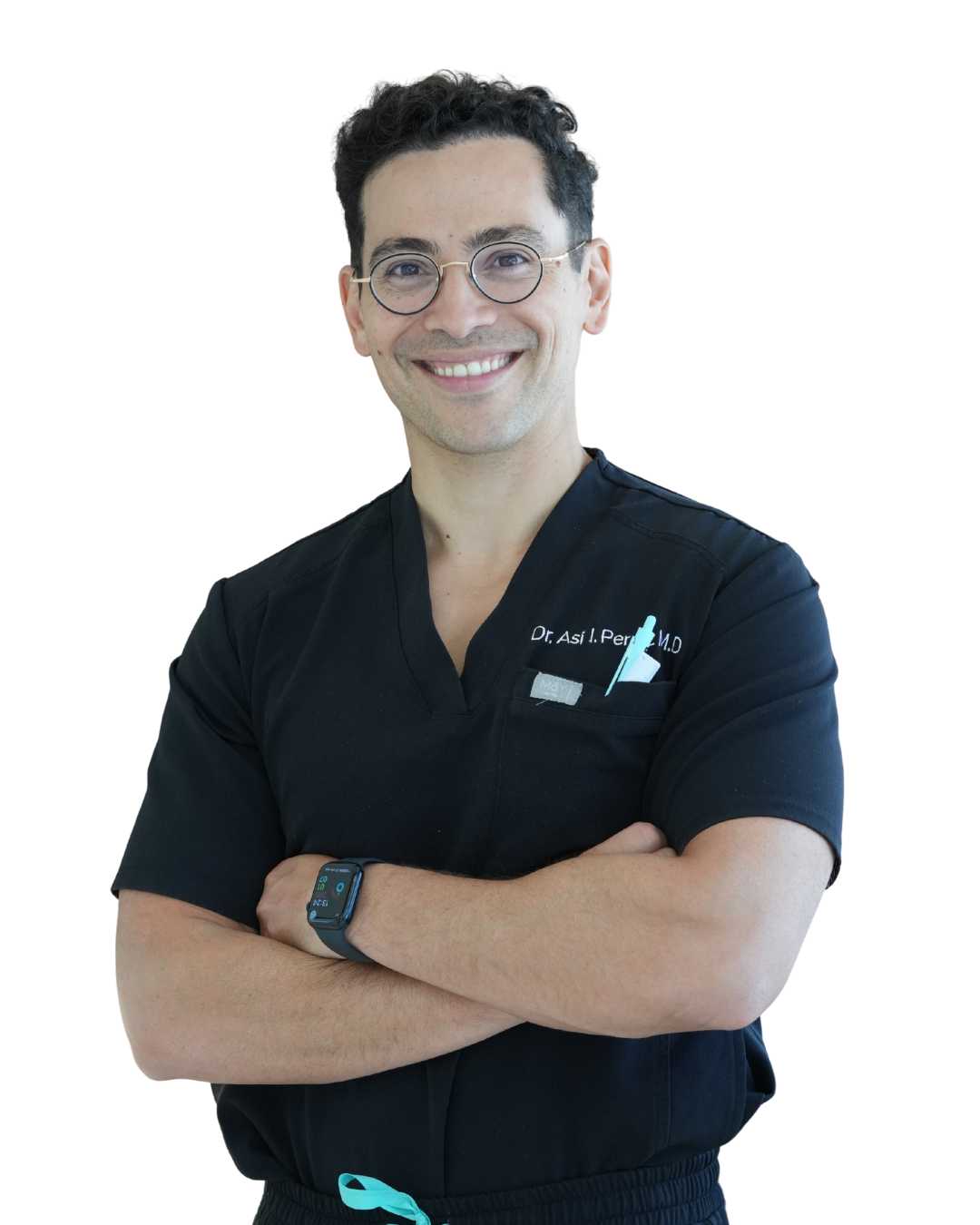
All procedures are performed only by doctors.
The uniqueness of Trichogenics lies in its strict medical process; only certified doctors perform every transplant. No technicians or unqualified assistants are involved.
Choosing a clinic with proven experience in hair transplants can make all the difference.
Meet Dr. Asi and Dr. Eric Peretz
The two doctors leading Trichogenics, Dr. Asi Peretz and Dr. Eric Peretz, are recognized leaders in the field. Their extensive experience, attention to detail, and focus on natural results make Trichogenics the best choice.
Celebrity Hair Transplants
Who has undergone the procedure at Trichogenics? The answer is clear: a safe, professional clinic that delivers results that look great even under camera lights.
Contact Trichogenics today to schedule a personal consultation and get a clear, doctor-led plan for your hair restoration.