
Hair transplant recovery and growth follow a clear, step-by-step process that unfolds over several months. The timeline explains how the scalp heals, why transplanted hair sheds, and when new growth begins.
These hair transplant phases include early healing, a temporary shedding period, gradual regrowth, and final stabilization of results. Most people see early changes within a few months, while fuller coverage develops closer to one year. Understanding the hair transplant recovery timeline helps set realistic expectations and reduces concern during slower stages.
Key Takeaways
- Hair transplant recovery follows a predictable timeline that includes healing, temporary shedding, gradual regrowth, and final stabilization over several months.
- Hair shedding and shock loss in the early weeks are normal and do not mean transplanted grafts have failed.
- Visible hair growth usually begins after the third month, with noticeable improvements in hair density appearing between months six and nine.
- Full results typically develop around 12 to 15 months after transplantation, once the transplanted hair has matured and blended into a natural hairline.
What Are the Phases of a Hair Transplant?
Hair transplant phases describe the normal changes that happen after a hair transplant procedure. These phases begin immediately after surgery and continue until the full results appear, often around one year.
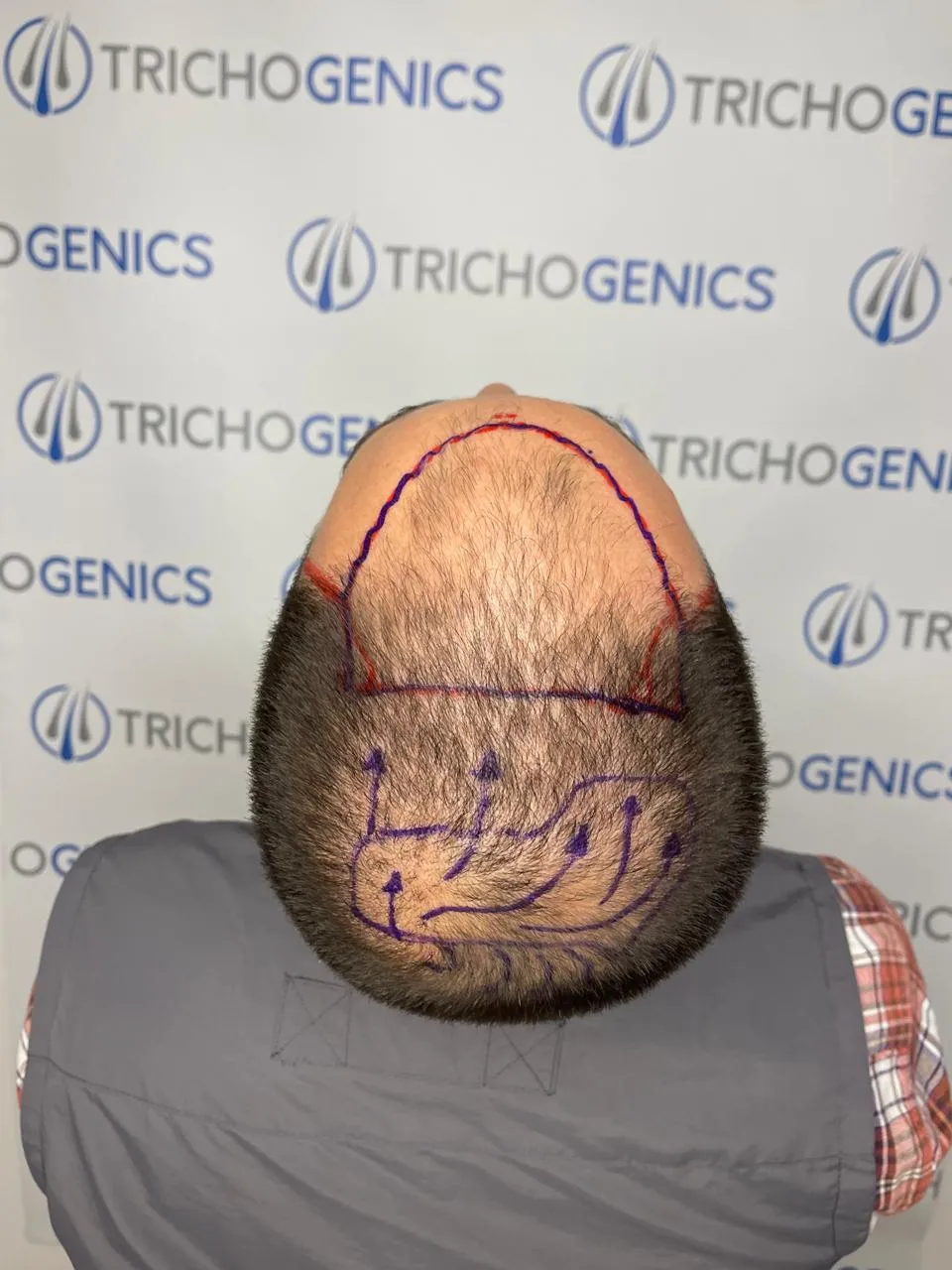
Each phase shows how follicular units adjust to their new place and restart hair growth. Understanding these steps helps reduce stress during slow or confusing periods.
In general, the process includes four main stages:
- Early healing after surgery
- Temporary hair shedding and rest
- New hair growth
- Final growth and long-term stability
These stages are similar for most hair transplant patients. DHI and FUE follow the same growth cycle because hair biology does not change by technique. Differences depend on health, healing speed, and donor area quality.
Hair Transplant Steps and Surgery Day
Hair transplant surgery starts by removing follicular units from a donor area, usually the back of the scalp. These units are then placed into thinning or bald areas using tools such as a Choi pen or forceps.
Doctors focus on angle and depth to help form a natural hairline. The procedure may take one long day or be split into sessions.
After surgery, transplanted grafts are very delicate. Patients receive clear instructions that often include:
- How to sleep and protect the scalp
- When it is safe to wash your hair
- Which activities to avoid
Following these steps supports the healing process.
Recovery Time Hair Transplant: Early Healing
Recovery time hair transplant refers to how long the scalp needs to heal. This stage is about skin recovery, not hair growth. Most redness and swelling improve within two to three weeks. Medical follow-up helps confirm that healing is normal.
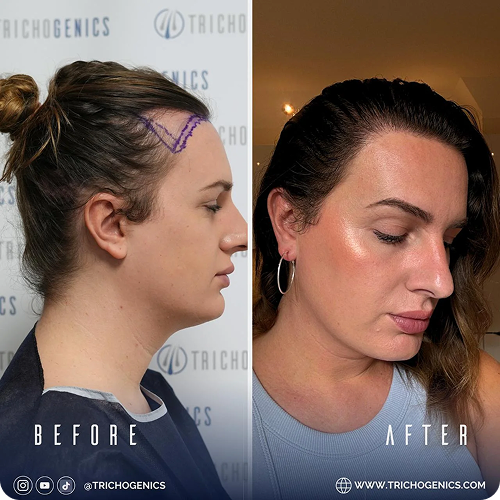
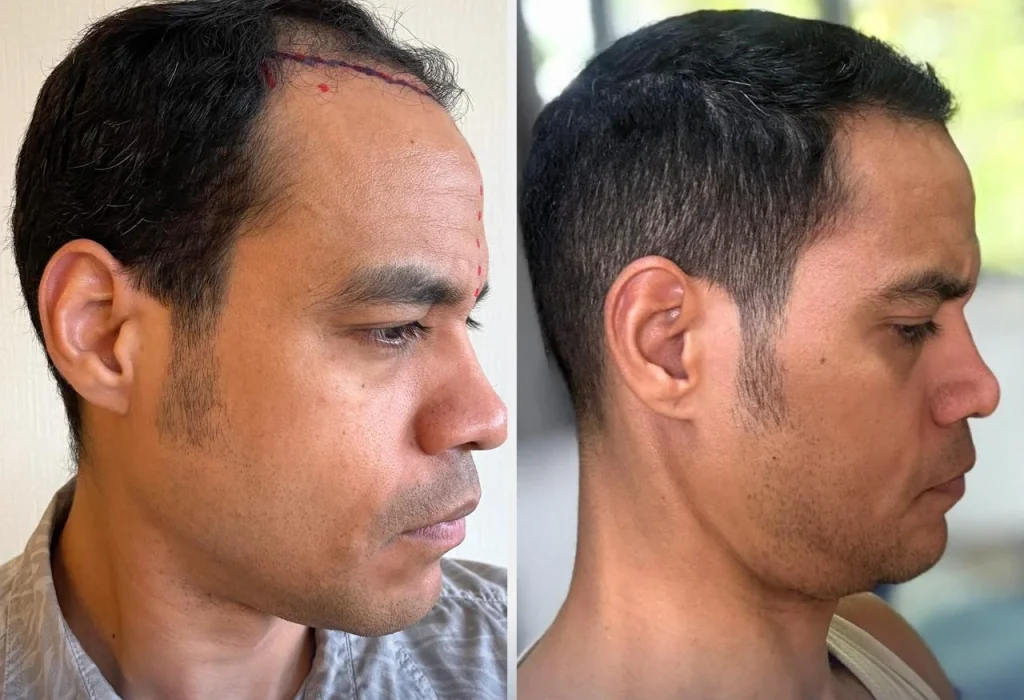
@trichogenics Hair transplant before and after 🤩 #hairloss #trichogenics #hairtransplant #hairtransplantturkey #finasteride #minoxidil #malepatternbaldness #balding #dutasteride #hairlossremedy #minoxidil
♬ original sound - Trichogenics
Doctor-led care is important during recovery. In places like Israel and Greece, follow-up visits are part of standard medical care. In some countries with fewer regulations, patients may not receive proper follow-up care after they return home.
Days 1–7: Worst Days After Hair Transplant
The first week is often the hardest. Swelling, redness, and scabs after a hair transplant can appear in the donor and transplanted areas.
These signs are normal and usually improve on their own. Pain is usually mild and controlled with medication.
During this time, patients should avoid:
- Touching or scratching the scalp
- Heavy exercise
- Direct sun exposure
Hairs that fall during this phase do not indicate graft failure. The follicles stay under the skin.
Weeks 2–4: Shedding and Shock Loss
Between weeks two and four, many people enter the shedding phase. Hair shafts from transplanted grafts fall out as follicles rest. This reaction, known as shock loss after a hair transplant, may also affect nearby native hair.
Common changes include:
- Hair shedding from transplanted areas
- Patchy or uneven appearance
- Ongoing thinning hair
Even though hair shedding looks alarming, the follicles remain healthy.
Hair Transplant Progression After the First Month
After one month, the scalp usually looks healed. Hair growth is still limited, but activity continues below the skin. This stage marks the start of hair transplant progression. The follicles slowly prepare for new growth.
Many patients feel unsure during this phase. Progress is happening, even if it isn’t visible yet. Medical guidance helps explain what is normal.
Months 1–3: The Awkward Phase
Months one to three are often described as the “ugly duckling” phase that hair transplant patients experience. The scalp may look similar to before surgery, and density may not improve yet.
This phase often includes:
- Little visible change
- Patchy coverage
- Normal follicle rest
This stage does not predict final results.
Months 3–6: Early Hair Growth
@trichogenics Hair transformation Journey. #trichogenics #hairtransplant #hairtransplantgreece #hairtransplantturkey #hairlosssolutions #hairtransplantation #hairlossremedy #hairlosssolutions #hairfallsolution #fyp
♬ original sound - Trichogenics
From months three to six, new hair starts to appear. These hairs are usually thin and light at first. Coverage improves slowly.
Early progress often becomes noticeable around month four, as seen in the common hair transplant 4 months after growth patterns observed during follow-up.
Growth speed varies based on genetics, health, and aftercare.
Hair Transplant Timeline Month by Month
A hair transplant by month view helps people understand progress step by step. This format matches how most patients think about results. It also reduces confusion.
This timeline shows common patterns, not exact outcomes.
Months 6–9: Improving Hair Density
Between months six and nine, hair density increases. Hair shafts grow thicker. Coverage becomes more even. Styling becomes easier.
Patients often notice:
- Thicker hair
- Better coverage
- Improved blending
Results are still developing.
Months 9–12: Hair Implant Results
From months nine to twelve, hair implant results become clear. Transplanted areas fill in. Hair looks more natural and balanced. Most visible improvement happens now.
Some changes continue after month twelve. Hair may keep thickening over time.
Final Results and Natural Hairline Outcome
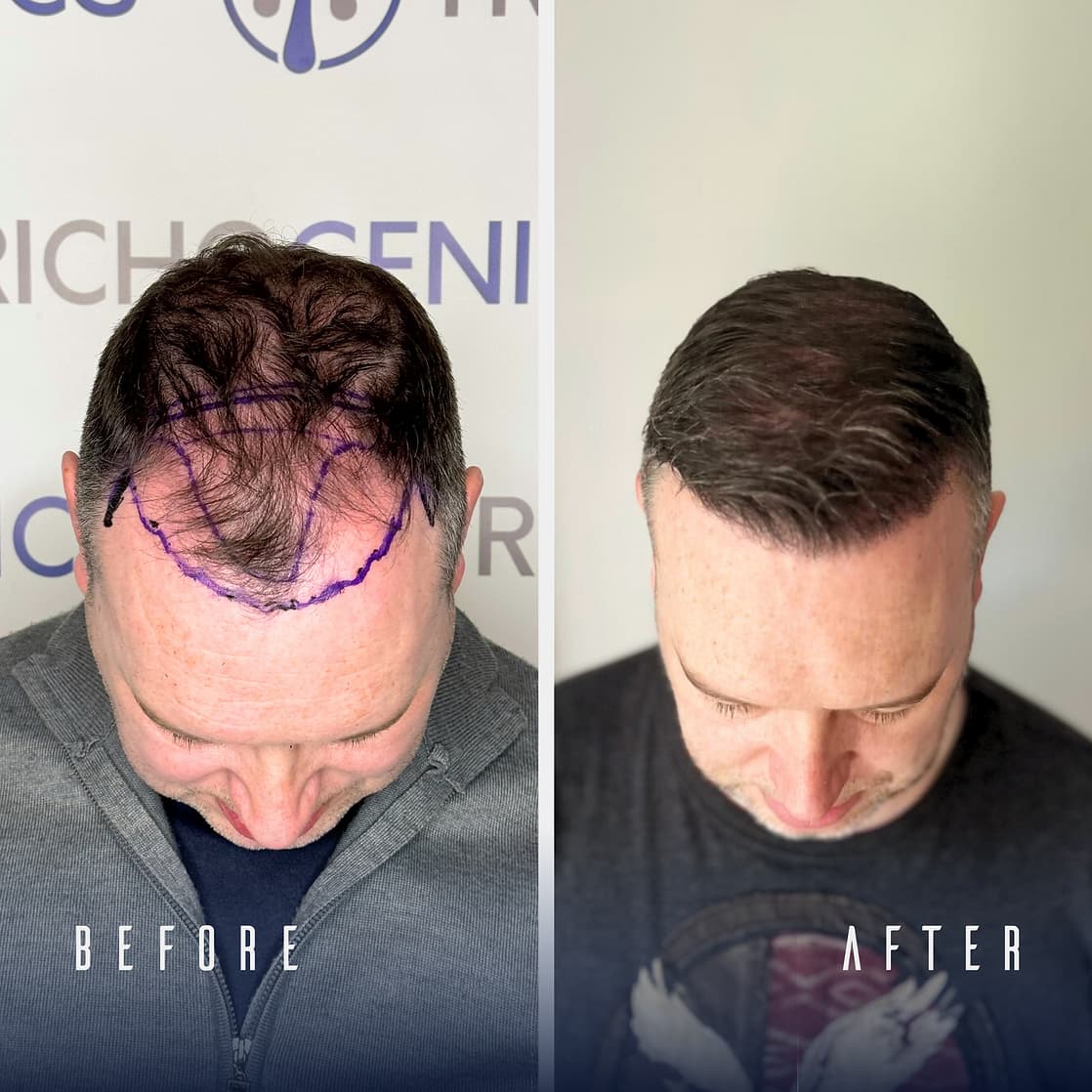
Final results show how the hair looks once growth has settled. Hair density, direction, and shape become stable. The goal is natural-looking results that fit the face. A natural hairline depends on planning and growth patterns.
Final outcomes depend on:
- Donor area quality
- Number of transplanted grafts
- Individual hair traits
Results differ for every person.
When Full Results Appear
Full results usually appear between 12 and 15 months. By then, most follicles have completed several growth cycles. Hair shedding slows, and thickness becomes steady.
This is often when patients ask whether hair transplants are permanent and how transplanted hair behaves over the long term.
Long-Term Growth Stability
Long-term stability depends on genetics and the risk of future hair loss. Transplanted hair usually stays, but native hair may thin. Regular checks help manage changes early.
Doctor follow-up supports long-term care.
Hair Transplant Phases for Male Patients
The phases hair transplant patients experience follow the same biological pattern. Differences involve the hairline design and the risk of future hair loss. Men often need plans that consider long-term thinning. This affects graft placement.
Male patients benefit from careful planning and follow-up. Regulated systems like those in Israel and Greece focus on safety and medical oversight. Some patients traveling to Turkey or other countries report limited rules and weaker follow-up, which may increase risk.
Why Choose Trichogenics?
All procedures are performed only by doctors
The uniqueness of Trichogenics lies in its strict medical process; only certified doctors perform every transplant. No technicians or unqualified assistants are involved. Choosing a clinic with proven experience in hair transplants can make all the difference.
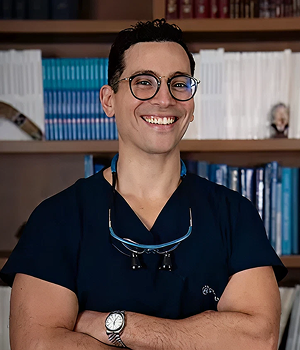
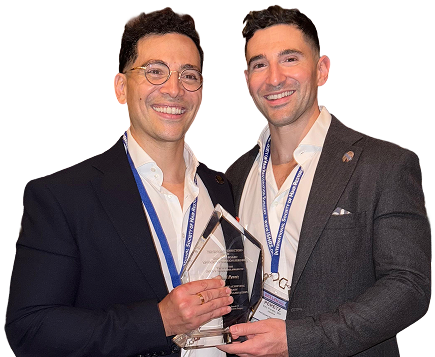
Meet Dr. Asi and Dr. Eric Peretz
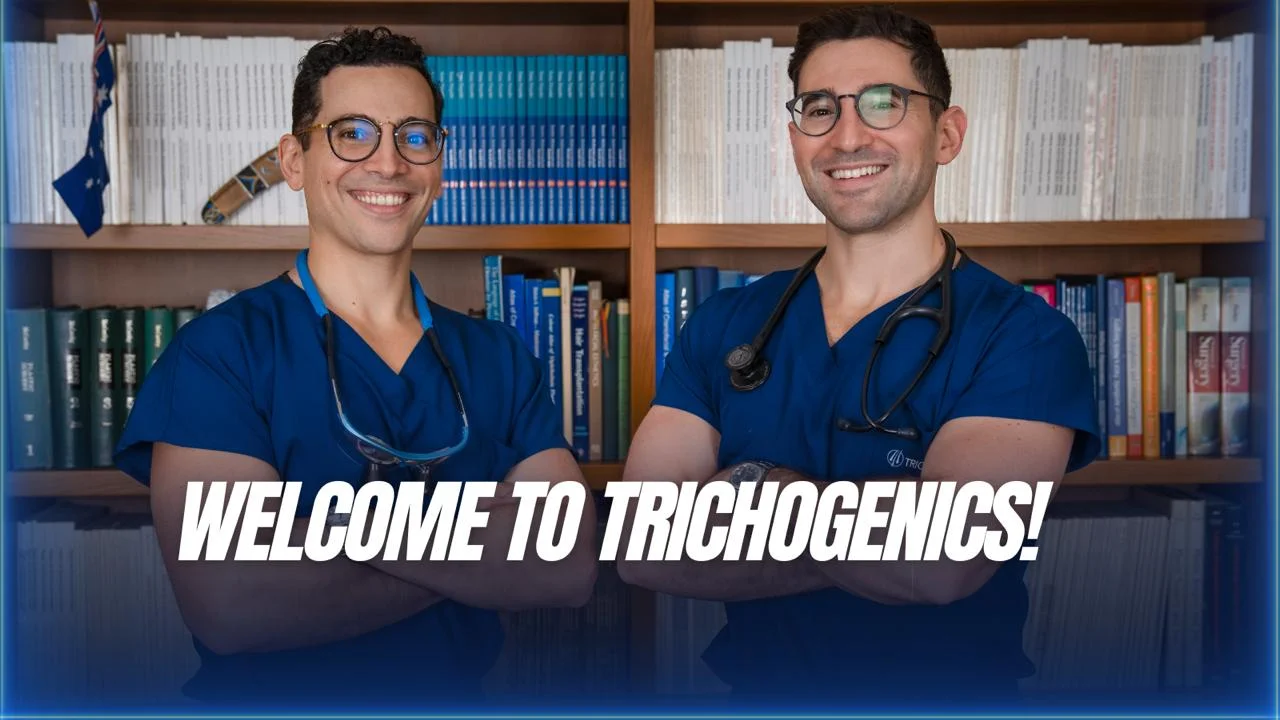
The two doctors leading Trichogenics, Dr. Asi Peretz and Dr. Eric Peretz, are recognized leaders in the field. Their extensive experience, attention to detail, and focus on natural results make Trichogenics the best choice.
Contact Trichogenics today to schedule a personal consultation and get a clear, doctor-led plan for your hair restoration.