
Most patients can safely get a buzz cut after a hair transplant once the grafts are secure and the scalp has healed without complications.
A buzz cut after a hair transplant is safest when there is no scabbing, tenderness, or redness in the transplant area. Timing may vary based on whether the procedure was FUE or FUT. It also depends on your healing speed. The sections below explain how you heal.
They also cover safety steps. They explain how timing changes your appearance. They also explain your long-term hair transplant results.
Key Takeaways
- Most patients can consider cutting hair after hair transplant surgery around 3–4 weeks, but very short buzz cuts or razor shaves should wait until the scalp is fully healed and free of redness or tenderness.
- Using clippers with a guard is safer than a razor in early recovery, as excessive pressure or friction can disturb newly implanted follicles and affect the transplant area.
- A buzz cut after a hair transplant may look thin during the first few months due to normal shedding, but density typically improves between 6 and 12 months as hair growth progresses through predictable hair transplant phases.
- The quality of surgical technique, physician oversight, and structured follow-up – whether in Greece, Israel, or elsewhere – directly influences long-term hair transplant results and how natural a short haircut appears.
Can You Have a Haircut After a Hair Transplant?
Hair transplant surgery creates thousands of small recipient sites where transplanted hair follicles are placed. During the first two weeks, the grafts anchor to the scalp through a biological process that includes clot formation and tissue integration.
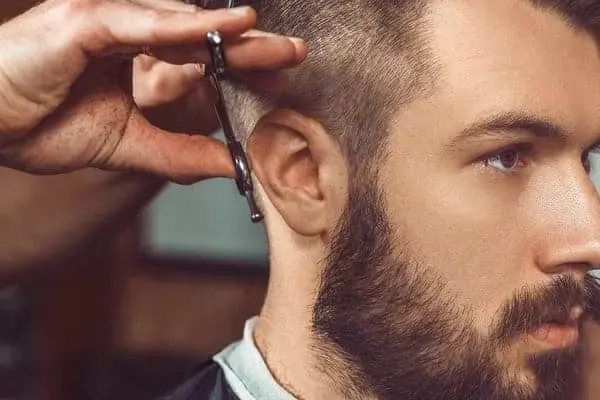
Cutting your hair too early may disrupt newly implanted follicles.
10–14 Days: Protect the Grafts
During the first 10–14 days, the transplant area forms scabs and mild redness. This phase protects the grafts while the healing process progresses.
Avoid damaging the area with clippers, tight hats, or friction. At this stage, a post-transplant haircut is not recommended on the recipient area. Most clinics provide structured guidance similar to a hair transplant aftercare guide during this period.
1 Month: Careful Clipper Use
After one month, most patients show stable graft anchoring. Light clipper use with a guard can be considered if the scalp is fully healed and free of crusting.
Use gentle pressure and disinfect tools properly. Many clinics advise starting with a longer guard rather than a close shave.
3+ Months: More Styling Freedom
By three months, transplanted hair follicles have entered the shedding phase, and hair growth begins to restart from the follicle root.
At this stage, a haircut after a hair transplant can include shorter guards. The donor area is usually fully healed if a FUE hair transplant or follicular unit transplantation fut was performed properly.
Buzz Cut 1 Year After Hair Transplant
At one year, most patients see the final hair transplant results. A buzz cut after a hair transplant at this stage reflects true density and angulation. Scar visibility depends on technique, such as FUE procedure versus the follicular unit transplantation fut.
Hair Transplant Buzz Cut: Safety and Risks
A hair transplant buzz cut requires understanding how short-cutting interacts with scalp biology.
Clippers vs Razor
Clippers with guards are safer than razors in early recovery. A razor shave increases friction and may irritate the transplant area. In medical practice, surgeons typically recommend waiting several months before razor-shaving the recipient zone.
Donor vs Recipient Area
The donor area heals differently from the transplant area. In FUE, small circular extraction sites close quickly. In FUT, a linear scar forms.
A very short buzz cut may expose a linear scar if follicular unit transplantation FUT was used. Patients concerned about scar visibility often review scarless hair transplant discussions before choosing the technique.
FUE vs FUT Differences
FUE involves individual graft extraction. FUT removes a strip of scalp. In Greece and Israel, physician-performed FUE procedures often range from USD 3,500–6,000 for 2,500 grafts in certified operating rooms with anesthesia and structured follow-up included.
@trichogenics What is the difference between FUE and FUT hair transplants? What method of hair transplant is best? Dr Asi Peretz explains #trichogenics #hairtransplant #hairtransplantsurgery #hairtransplantturkey #hairtransplantgreece #hairtransplantcolombia #FUE #fue #fut #fuehairtransplant #futhairtransplant #hairloss #hairfall #hairlosssolutions
♬ original sound - Trichogenics
In Turkey, high-volume clinics may advertise USD 1,800–2,800 for similar graft numbers, but technician-led procedures and multiple daily cases can reduce physician oversight.
These differences matter because graft angle control and donor preservation affect long-term density and how a short haircut appears.
Common Mistakes and Follicle Damage
Patients sometimes:
- Use zero guard clippers too early
- Apply pressure to the scalp
- Ignore redness or sensitivity
These actions may disrupt newly transplanted hair and delay recovery.
Shock Loss and Irritation
Shock loss refers to the temporary shedding of surrounding native hair. It does not indicate permanent hair loss but may make a buzz cut look thinner in the early months.
This temporary thinning phase is often described as the hair transplant shedding phase.
Does a Buzz Cut Look Good After a Hair Transplant?
Appearance depends on timing and density.
Early Healing Appearance
During months 1–3, density appears low because transplanted hair follicles shed. A shortcut at this time may highlight uneven regrowth. Patients should understand that this is part of normal hair growth cycles.
Long Buzz Cut After Hair Transplant
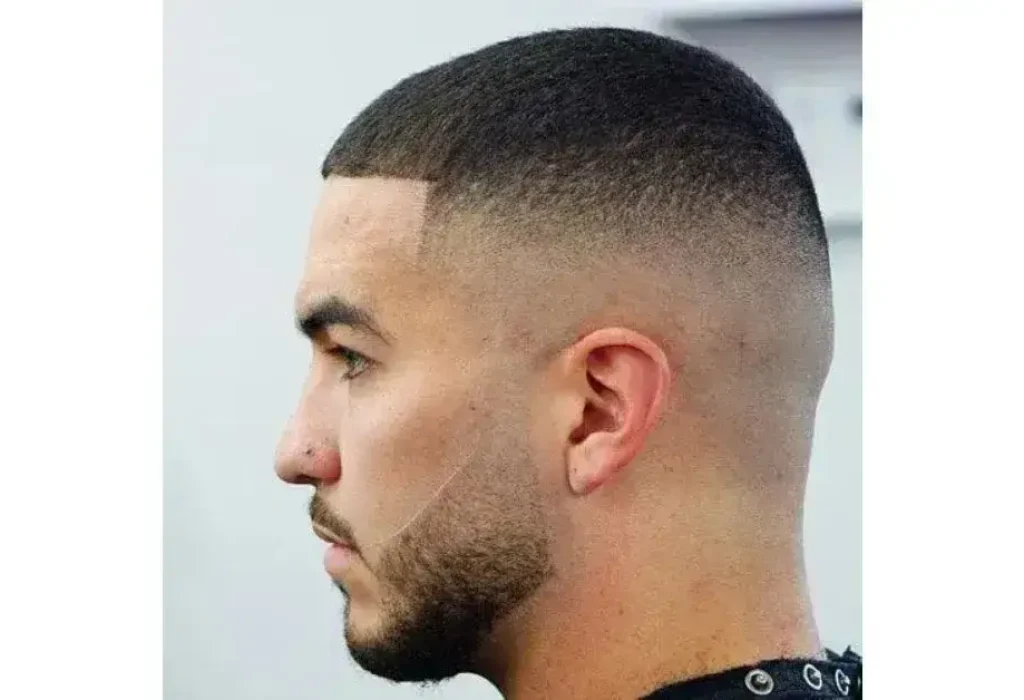
A long buzz cut, such as guard 3 or 4, can create uniform coverage while minimizing contrast between native and transplanted hair. This approach often works well at 4–6 months.
Density at 6–12 Months
At 6–12 months, density improves. Most hair transplant patients see 80–100 percent of growth by one year. A buzz cut 1 year after a hair transplant usually reflects final maturation.
Best Haircut After Hair Transplant
The best haircut after a hair transplant depends on graft number and distribution.
Guard Length Guide
Common progression:
- Month 1–2: Guard 4 or higher
- Month 3–4: Guard 3
- Month 6+: Guard 1–2 if fully healed
This gradual reduction helps avoid damaging sensitive skin.
What Is the 3-2-1 Rule for Buzz Cuts?
The 3-2-1 rule uses decreasing guard sizes from top to sides. For example:
- Guard 3 on top
- Guard 2 on the sides
- Guard 1 near the neckline
After hair transplant surgery, this rule may be applied once grafts are stable.
Alternatives to a Buzz Cut
Alternatives include:
- Short textured crop
- Low fade
- Slightly longer layered top
These styles reduce contrast during early regrowth.
Is Buzz Cut Good for Regrowth?
Cutting hair does not change follicle biology. It does not stimulate faster hair growth. Growth depends on blood supply, surgical technique, and follicle survival.
@trichogenics How long does it take for the hair to grow after a hair transplant? Dr Asi Peretz explains. #hairtransplant #balding #hairloss #hairtransplantturkey #hairtransplantation #hairtransplantsurgery #hairfall #hairtransformation #trichogenics #hairlosssolutions #hairlossremedy #fyp
♬ original sound - Trichogenics
Myth vs Biology
The belief that shaving increases thickness is not supported by clinical data. The shaft may feel thicker after cutting, but the root remains unchanged.
What Actually Drives Hair Growth
Hair growth depends on:
- Healthy transplanted hair follicles
- Adequate vascular supply
- Proper surgical planning
In physician-performed settings in Greece and Israel, structured follow-up ensures that graft survival is monitored over time. Patients often ask if hair transplants are permanent when evaluating long-term expectations.
When to Contact Your Surgeon
Most patients heal without complications. Still, certain symptoms require evaluation.
Persistent Redness or Pain
If redness lasts beyond three weeks or pain increases, contact your surgeon. Prolonged inflammation may indicate infection.
Drainage or Infection Signs
Watch for:
- Yellow discharge
- Fever
- Increasing swelling
These signs require medical assessment in a licensed clinic setting.
Clinical Considerations and Safety Abroad
Hair transplant surgery should take place in certified operating rooms under licensed physicians. In Israel and Greece, medical boards regulate physician training, certification, and surgical environments.
Choi pen implantation, DHI, and FUE are recognized techniques when performed by trained doctors.
In some high-volume clinics in Turkey and other countries, technicians may perform large portions of the procedure without direct physician supervision.
Multiple patients may be treated per day, which can reduce the time allocated per case. Lower prices often reflect reduced physician involvement rather than graft quality.
Patients considering international travel should verify:
- Who performs graft extraction and implantation
- How many cases are treated daily
- What post-operative follow-up is included
- Whether certified operating rooms are used
Understanding these factors helps reduce the risk of overharvesting, unnatural hairline design, or poor graft angulation.
A buzz cut after a hair transplant can be safe when timed correctly and performed with caution. Clear medical guidance, structured follow-up, and physician oversight protect newly implanted follicles and support long-term hair transplant results.
Why Choose Trichogenics?
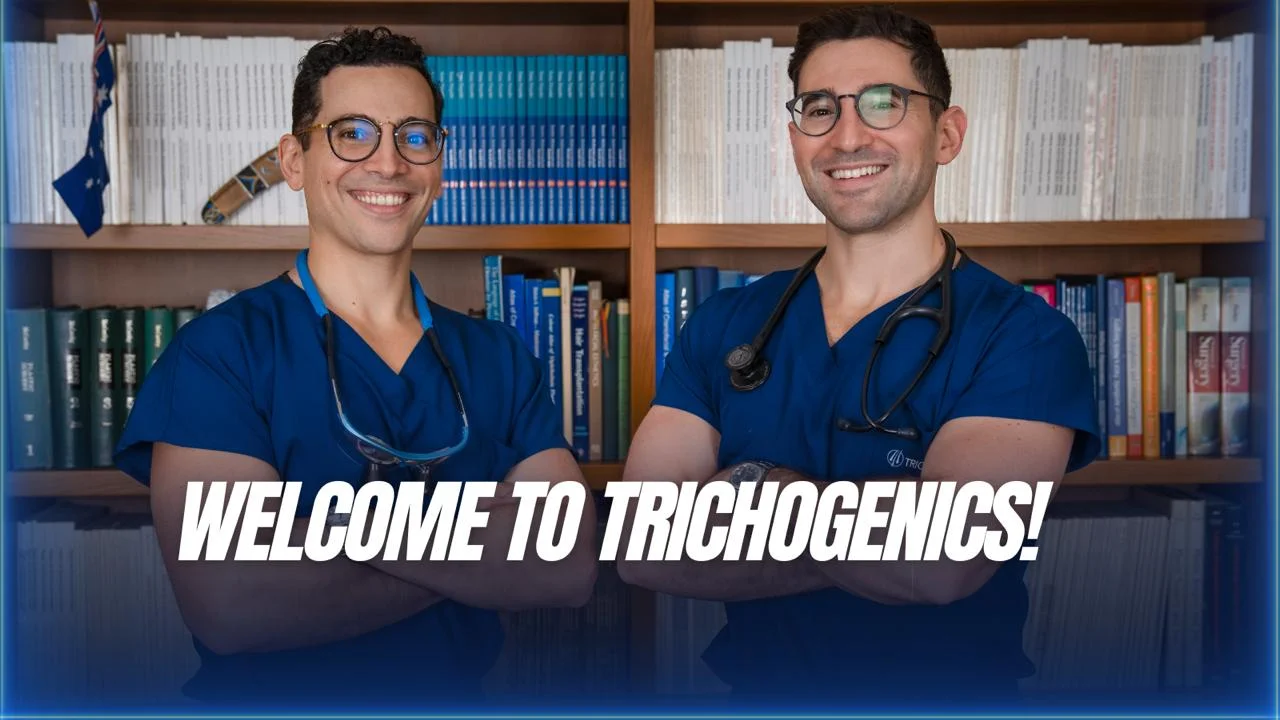
All procedures are performed only by doctors
The uniqueness of Trichogenics lies in its strict medical process; only certified doctors perform every transplant.
No technicians or unqualified assistants are involved. Choosing a clinic with proven experience in hair transplants can make all the difference.
Meet Dr. Asi and Dr. Eric Peretz
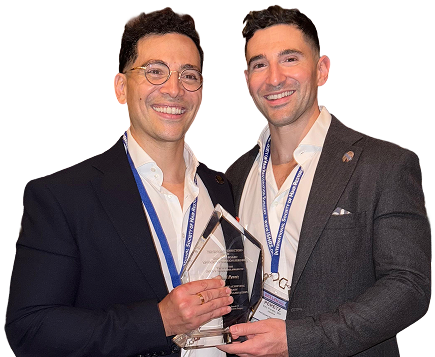
The two doctors leading Trichogenics, Dr. Asi Peretz and Dr. Eric Peretz, are recognized leaders in the field. Their extensive experience, attention to detail, and focus on natural results make Trichogenics the best choice.
Contact Trichogenics today to schedule a personal consultation and get a clear, doctor-led plan for your hair restoration.