

There is no single best age for a hair transplant. The right time depends on stable hair loss, a strong donor area, and good health. Most specialists consider the late 20s to the 40s a good window. Hair loss patterns are usually more predictable then.
Younger patients may still experience active progression, while older patients must be evaluated for medical conditions that affect healing. The best age for a hair transplant depends on a clinical assessment and long-term planning, not just age.
Key Takeaways
- There is no single ideal age for a hair transplant, as the best age depends on stabilized hair loss patterns, donor area density, and overall health, rather than on a fixed number.
- Patients in their 30s and 40s often achieve predictable outcomes because future balding patterns can be assessed more accurately. Many candidates review when you should get a hair transplant before deciding on timing.
- Hair transplant surgery in younger individuals carries a higher risk of uneven density later if future hair loss continues, especially in cases of active male pattern baldness.
- Patients over 50 can still be strong candidates for a hair transplant when medical conditions are well-controlled, and donor hair follicles remain healthy.
What is the Right Age for a Hair Transplant?
Age alone does not determine candidacy for hair transplant surgery. The right age for hair transplant is linked to stabilized male pattern baldness, preserved donor area density, and realistic expectations about coverage.
@trichogenics At what age is it normal to start losing your hair? Dr Asi Peretz explains. #hairloss #trichogenics #hairtransplant #hairtransplantturkey #hairlossage #hairlossremedy #hairlossremedy
♬ original sound - Trichogenics
In men and women with thinning hair, doctors assess whether balding areas are expanding or stable. If progression continues rapidly, early surgery may lead to uneven density later.
Many patients ask, when should I get a hair transplant? The answer depends on three measurable factors:
- Stability of hair loss patterns for at least 12–18 months
- Adequate donor area density, often 70–90 follicular units per cm²
- No untreated medical conditions, such as thyroid disease
A hair restoration specialist evaluates these elements before recommending a procedure. Patients often explore how successful hair transplants are to understand expected results before surgery.
Hair Transplant in Your 20s
Risks of Early Surgery
Younger individuals often experience active progression of male pattern baldness. Performing a hair transplant surgery at age 22 in a patient who is Norwood III may result in a Norwood V pattern by age 35.
This creates localized density in the frontal hairline while balding areas in the crown continue to expand.
Clinically, overharvesting the donor area in early cases increases the risk of visible thinning in the back of the scalp.
In high-volume clinics in Turkey, where technicians may extract grafts in 6–8 simultaneous patients per day, the risk rises due to time pressure.
In contrast, physician-performed FUE procedures in Greece or Israel often limit daily caseloads to one patient, allowing for controlled graft extraction and the preservation of hair follicles.
Future Hair Loss Progression
Future hair loss must be considered before designing a hairline. For example, a 24-year-old with an aggressive family history may require 3,000 grafts initially, but could need an additional 2,000 grafts within 10–15 years.
If the donor area contains 6,000 total viable grafts, early depletion reduces surgical options later.
Doctors, therefore, design conservative hairlines in younger patients. DHI and FUE techniques allow precise placement using tools such as the Choi pen, but surgical skill does not prevent the biological progression of hair loss patterns.
Best Age to Get a Hair Transplant: 30s – 40s
Is a Hair Transplant at 30 Worth It?
For many hair transplant candidates, the 30s are the most stable period. By this stage, the progression of male pattern baldness is more predictable. A 32-year-old Norwood IV patient often shows stable frontal recession and crown-thinning hair.
In these cases, a structured hair transplantation procedure of 2,500–3,500 grafts can provide balanced density.
In Greece or Israel, physician-performed FUE procedures typically cost USD 3,500–6,000 for 2,500 grafts, including anesthesia, physician fees, operating room costs, and structured follow-up.
In high-volume Turkish clinics, similar graft counts may cost USD 1,800–2,800, but often involve technician-led extraction and limited post-operative supervision.
Long-Term Planning Advantages
Patients in their 30s and 40s benefit from long-term planning. Doctors evaluate:
- Donor area reserve
- Crown density requirements
- Projected future hair loss
@trichogenics How to keep your hair if you are over the age of 45!? #trichogenics #hairloss #hairtransplant #hairlosssolutions #hairtransplantturkey #hairtransplantgreece #finasteride #dutasteride #hairfallsolution #hairtransplantation #fyp
♬ original sound - Trichogenics
This approach reduces the risk of unnatural density transitions over time. A treatment plan may include staged procedures spaced several years apart to maintain symmetry.
Patients with significant crown thinning sometimes consider a crown hair transplant as part of long-term restoration planning.
Hair Transplant After 50
Maximum Age for Hair Transplant
There is no strict maximum age for a hair transplant. Studies from international societies show that patients over 50 can achieve high graft survival rates when overall health is stable.
Age does not prevent graft growth, as transplanted hair follicles retain genetic resistance to DHT.
However, doctors evaluate:
- Cardiovascular health
- Diabetes control
- Smoking history
These medical conditions influence healing and anesthesia safety.
What Age Is Too Late for a Hair Transplant?
Age becomes a concern only when medical conditions increase surgical risk. A healthy 65-year-old with stable hair loss patterns and strong donor density may achieve results comparable to those of a 45-year-old.
The limiting factor is health status, not chronological age.
What Happens 20 Years After a Hair Transplant?
Aging and Transplanted Hair
Transplanted hair follicles typically maintain growth because they remain resistant to DHT.
However, surrounding native hair may continue thinning over time.
This means a patient who undergoes surgery at age 35 could benefit from additional grafting years later to maintain density balance.
Patients often research whether hair transplants are permanent to understand this long-term behavior.
Future Procedures and Maintenance
Maintenance may include medical therapy or additional surgical options. Structured follow-up is critical.
Clinics that perform multiple daily surgeries without long-term tracking often lack continuity of care, which is a concern in loosely regulated environments abroad.
In countries such as Israel and Greece, licensed physicians operate within regulated medical frameworks and certified operating rooms. This structure supports safe anesthesia use, sterile technique, and documented follow-up.
How Doctors Determine the Proper Age
@trichogenics How to treat hairloss at different ages? Here i discusses how to treat hairloss from the ages of 16-22. Excuse my baby in the background. #hairtransplant #hairloss #trichogenics #hairfall #hairtransplantturkey #hairtransplantgreece #hair #hairlosssolutions #finasteride #minoxidil #fyp
♬ original sound - Trichogenics
Donor Area Evaluation
The donor area is examined for density, miniaturization, and scalp elasticity. A physician calculates the total available grafts and ensures that extraction does not exceed 30–35 percent of the safe density to prevent visible thinning.
Medical Conditions and Overall Health
Doctors screen for anemia, thyroid disorders, and autoimmune conditions that affect hair follicles. A patient with untreated hypothyroidism may experience ongoing thinning hair even after surgery.
Addressing medical conditions first improves outcomes.
Realistic Expectations and Treatment Plan
Realistic expectations remain central to decision-making. Hair transplant surgery redistributes existing hair; it does not create new follicles. A structured treatment plan defines graft numbers, technique selection, such as DHI or Sapphire FUE, and follow-up timelines.
Understanding when to get a hair transplant requires evaluating hair loss patterns, donor strength, overall health, and long-term goals.
The best age for hair transplant is the age at which progression is predictable and surgery can be planned responsibly within a medically supervised setting.
Why Choose Trichogenics?

All procedures are performed only by doctors
The uniqueness of Trichogenics lies in its strict medical process; only certified doctors perform every transplant. No technicians or unqualified assistants are involved. Choosing a clinic with proven experience in hair transplants can make all the difference.
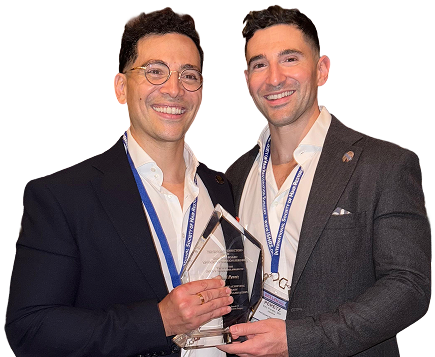
Meet Dr. Asi and Dr. Eric Peretz
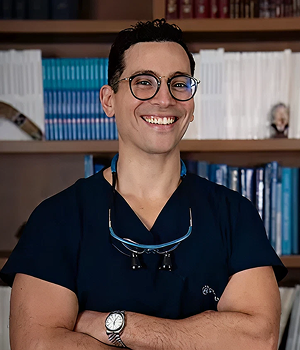
The two doctors leading Trichogenics, Drs. Asi and Eric Peretz are recognized leaders in the field. Their extensive experience, attention to detail, and focus on natural results make Trichogenics the best choice.
Contact Trichogenics today to schedule a personal consultation and get a clear, doctor-led plan for your hair restoration.