
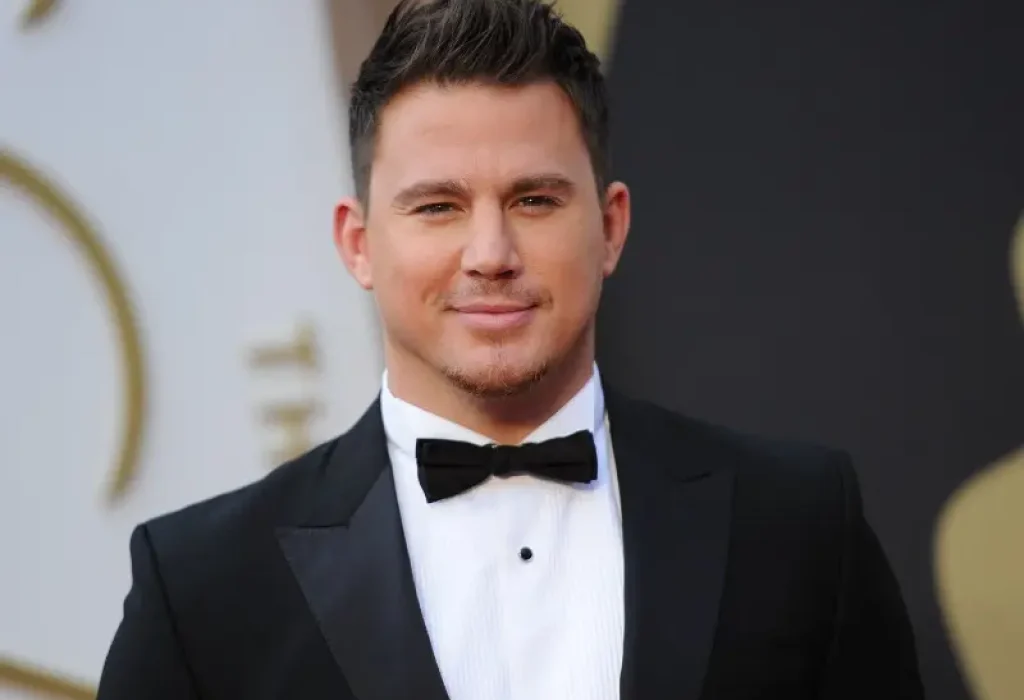
Over the years, Channing Tatum’s look has changed. This has led many people to wonder whether he had a hair transplant. No public statement confirms that he has had any procedure. Still, shifts in hairline shape and thickness have been noticeable in photos and films.
These changes help explain how hair restoration is discussed today, even when no treatment is confirmed. Trichogenics, founded by Drs. Asi and Eric Peretz approach these topics from a medical and educational perspective.
Key Takeaways
- There is no public confirmation that Channing Tatum has undergone a hair transplant, and discussions focus on visible image changes rather than verified medical procedures.
- Changes in hair appearance over time can result from many factors, including aging, styling, lighting, or natural hair loss, not only hair transplant surgeries.
- Modern hair restoration relies on careful planning, doctor-led assessment, and techniques such as FUEhair transplant, with outcomes varying based on individual biology and long-term hair loss patterns.
- Safety, medical regulation, and structured follow-up are critical considerations when evaluating hair transplant surgeries, especially when comparing treatment options across different countries.
Did Channing Tatum Get a Hair Transplant?
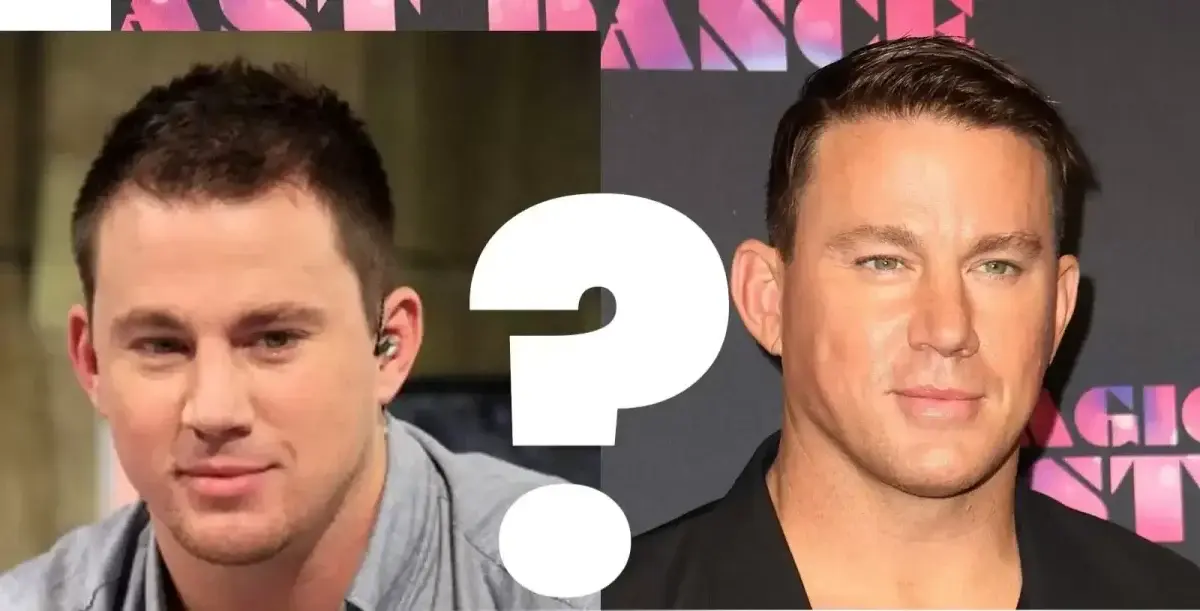
Many people search online asking, ” Did Channing Tatum get a hair transplant? This question comes from comparing older and newer images of the actor.
Some photos show a fuller hairline than in earlier years. These visual changes alone cannot confirm a medical procedure.
Other questions, such as “Has Channing Tatum had a hair transplant?” or “Did Channing Tatum have a hair transplant?” also appear often.
There is no verified medical record or public confirmation. Doctors avoid concluding without facts. Clinical discussions focus on what can be seen, not on guesses.
Channing Tatum Hair Loss Over Time
When people talk about Channing Tatum’s hair loss, they often compare his early films to later roles.
In movies like Magic Mike, his hairline looked natural but slightly uneven. In later years, some images show slight changes in temple density. These changes are common in adult men.
Hair loss does not follow the same pattern for everyone. Age, family history, and health all play a role. For a Hollywood star, even small changes stand out. Medical review looks at patterns over time, not single photos.
Channing Tatum Hair Replacement Explained
When people refer to Channing Tatum’s hair replacement, they usually mean modern hair restoration rather than older cosmetic solutions.
Today, hair restoration focuses on increasing density while maintaining a natural look that complements the person’s age and facial structure. Doctors evaluate the scalp, donor hair, and future hair loss before recommending any approach.
The goal is not a dramatic change, but a balanced, realistic result that ages well over time.
Key clinical elements often considered include:
- Evaluation of hairline shape, density, and overall scalp health
- Review of donor hair quality and long-term hair loss patterns
- Selection of technique, such as FUE or DHI, based on patient needs
- Use of tools like Choi pen implantation for controlled graft placement
- Planning for natural growth direction and age-appropriate results
- Structured follow-up to monitor healing and hair growth over time
This approach helps explain how modern hair replacement is planned and why results can vary between individuals.
Hairline Design and Density Changes
Hairline design focuses on shape, direction, and balance. A natural hairline is not straight or sharp. Density must match the surrounding hair. These rules explain why some results look subtle rather than dramatic.
Modern Hair Transplant Techniques
Doctors may use FUE or DHI based on the patient’s needs. Choi pen implantation is one tool used to place grafts with control over angle and depth.
Tools support accuracy but do not guarantee outcomes. Technique choice depends on the patient, not trends.
Celebrities’ Hair Transplant Before and After
@trichogenics #onthisday throwback to Dr Eric and Celebrity hair transplants. #trichogenics #hairtransplant #hairtransplantturkey #fypage
♬ original sound - Trichogenics
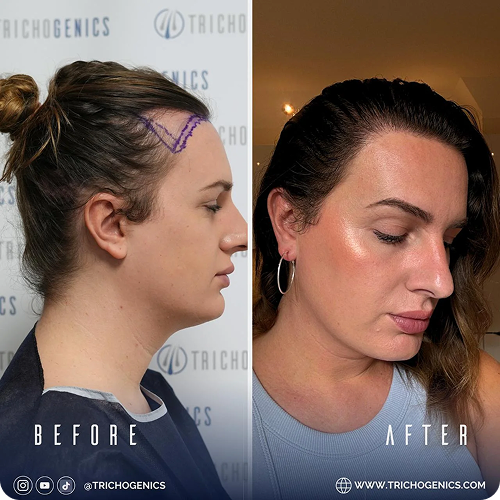
Celebrities’ hair transplant before-and-after images draw attention because public figures are often photographed. Small changes in hairline shape or thickness can be tracked over time.
These comparisons help explain how gradual approaches can look natural. They also show that results change as hair grows.
Public figures like Jamie Foxx, Chef Gordon Ramsay, and Bradley Cooper are often discussed in this context. In each case, the discussion is based on appearance, not confirmation.
This distinction is essential for accuracy—education benefits from staying factual.
Celebrity Hair Transplant Gone Wrong
The topic of a botched hair transplant often comes up when results look unnatural or uneven.
In most cases, these outcomes are not caused by the concept of hair restoration itself, but by poor planning, weak medical oversight, or rushed procedures.
Celebrities face the same biological limits as any other patient, including donor hair quality and healing response. When these factors are ignored, the final appearance can draw attention for the wrong reasons.
Problems are more common when procedures are done in settings with limited regulation or when non-physicians perform key steps.
In some countries abroad, including parts of Turkey, clinics may focus on volume rather than careful patient selection and follow-up. This increases the risk of visible scarring, low density, or unnatural hair direction.
These cases highlight why regulation, physician training, and accountability matter.
Common reasons why results may go wrong include:
- Poor hairline design that does not match age or facial structure
- Incorrect graft angle or depth during placement
- Overharvesting donor hair, leading to thin or patchy areas
- Limited medical supervision during hair transplant surgeries
- Lack of structured follow-up to manage healing and growth
Understanding these risks helps readers see why not all outcomes are the same and why careful medical planning is central to safe hair restoration.
Why Poor Results Happen
Poor outcomes often result from taking too many grafts or placing them at the wrong angle. Patients who have already undergone a hair transplant may have limited donor hair left.
Those undergoing a hair transplant without a full assessment face a higher risk. Follow-up care helps manage healing and detect issues early.
Where Do Celebrities Get Hair Transplants?
Many people ask where celebrities get hair transplants because location affects safety. Public figures often seek care in places with strict medical rules and licensed physicians.
This improves accountability and patient protection. Location alone does not guarantee quality, but regulation helps.
Some people travel abroad and later question whether hair transplants in Turkey are safe. Medical systems differ by country, and regulation plays a key role in patient protection and follow-up care.
Medical systems in Israel and Greece follow clearer standards for physician training and care. These differences affect safety and follow-up.
Doctor-Performed vs Commercial Clinics
Doctor-performed care focuses on planning, execution, and review by the same medical team. Commercial clinics may separate these steps. This can affect consistency and safety. Understanding this difference helps patients assess options.
Channing Tatum Hair Plugs vs Modern Transplants

Searches for Channing Tatum’s hair plugs use an older term. Hair plugs vs hair transplants describes the difference between outdated techniques and modern procedures.
Hair plugs used larger grafts, often resulting in an unnatural look. Modern methods rely on smaller units placed with care.
Why Hair Plugs Look Unnatural Today
Older techniques lacked the precision of tools and proper planning. Grafts were larger and placed with less control. Today’s methods focus on natural spacing and direction. This change has improved overall outcomes.
What Actor Had Five Hair Transplants?
People often ask which actor had five hair transplants out of curiosity. In reality, some individuals need more than one procedure over time.
Athletes like Floyd Mayweather or football figures such as David Silva are often mentioned in these discussions. Multiple procedures reflect ongoing hair loss, not failure.
Hair loss can continue even after surgery. Planning must consider future changes. This explains why staged treatment is sometimes needed.
Why Multiple Procedures Are Sometimes Needed
Hair loss often progresses with age. Donor hair must be used carefully. Long-term planning helps keep the balance over time. This approach supports stable results.
Clinical Considerations in Hair Restoration
Hair restorations require medical evaluation, not assumptions. Doctors review scalp health, donor supply, and goals. They also assess if a patient has already undergone a hair transplant. These steps guide safe decisions.
Common clinical topics include:
- Doctor-led planning and assessment
- Technique choice, such as FUE
- Structured follow-up after surgery
These principles apply to all patients.
Final Perspective on Image Change and Interpretation
Discussions about image change often blend observation with assumption, especially when the subject is a well-known public figure.
In the case of Channing Tatum, visible differences in hair appearance over time explain why people speculate, but they do not confirm that any medical treatment took place.
Changes in lighting, hairstyle, age, body weight, or grooming can all influence how hair looks on screen or in photos. A responsible interpretation focuses on what is visible without turning those observations into medical claims.
From a clinical perspective, hair restoration is more complex than a single visual outcome.
Modern hair transplantation procedures, including FUE follicular unit extraction and FUE hair transplantation, involve planning that cannot be evaluated through images alone.
Factors such as donor hair quality, scalp health, healing response, and long-term hair loss patterns all affect results. None of these elements can be confirmed from public photos of a celebrity.
Understanding this context helps readers avoid unrealistic conclusions. Public interest in image changes can be helpful in learning how hair restoration works, but it should not replace medical evaluation.
Separating curiosity from evidence supports better decision-making for anyone researching treatment options.
Key points to consider when interpreting image changes include:
- Public images do not confirm whether hair transplantation procedures were performed
- Modern techniques like FUE follicular unit extraction cannot be identified reliably from photos
- Hair appearance can vary due to styling, lighting, aging, or health changes
- Hair restoration outcomes depend on individual biology and surgical planning
- Medical conclusions require verified patient information, not visual comparison
This perspective encourages a balanced and informed approach to image analysis and helps readers understand the limits of what photos and media coverage can truly reveal.
Public figures like Lewis Hamilton, Jude Law, Joel McHale, Machine Gun Kelly, and others show how hair appearance can change. Each case is different. Understanding this helps readers avoid assumptions.
Practical Takeaways for Readers
Readers benefit from separating facts from speculation. Visible change does not confirm surgery. Safety and medical oversight matter more than price. Clear education supports better decisions.
Key points to remember:
- Strong medical regulation matters
- Technique choice depends on the patient
- Follow-up care supports long-term results
These ideas guide responsible care.
Why Choose Trichogenics?
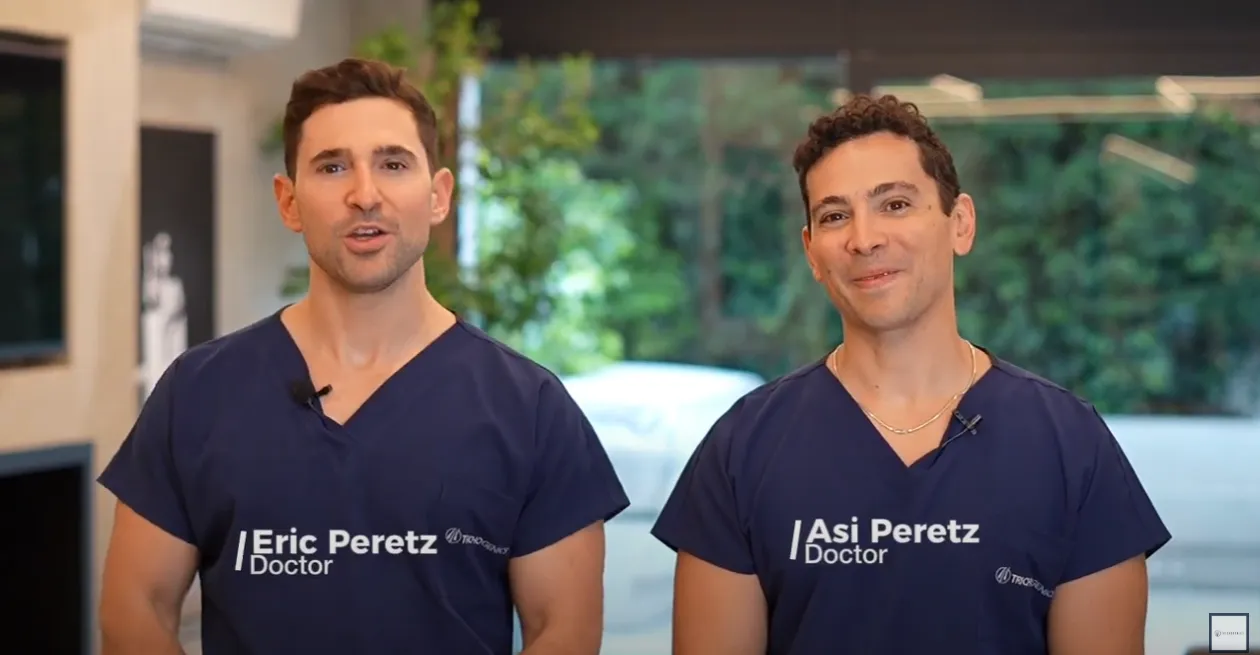
All procedures are performed only by doctors.
The uniqueness of Trichogenics lies in its strict medical process; only certified doctors perform every transplant. No technicians or unqualified assistants are involved.
Choosing a clinic with proven experience in hair transplants can make all the difference.
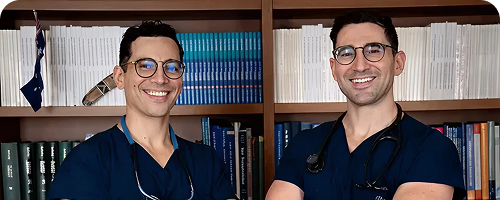
Meet Dr. Asi and Dr. Eric Peretz
The two doctors leading Trichogenics, Dr. Asi Peretz and Dr. Eric Peretz, are recognized leaders in the field. Their extensive experience, attention to detail, and focus on natural results make Trichogenics the best choice.
Celebrity Hair Transplants
Who has undergone the procedure at Trichogenics? The answer is clear: a safe, professional clinic that delivers results that look great even under camera lights.
Contact Trichogenics today to schedule a personal consultation and get a clear, doctor-led plan for your hair restoration.