
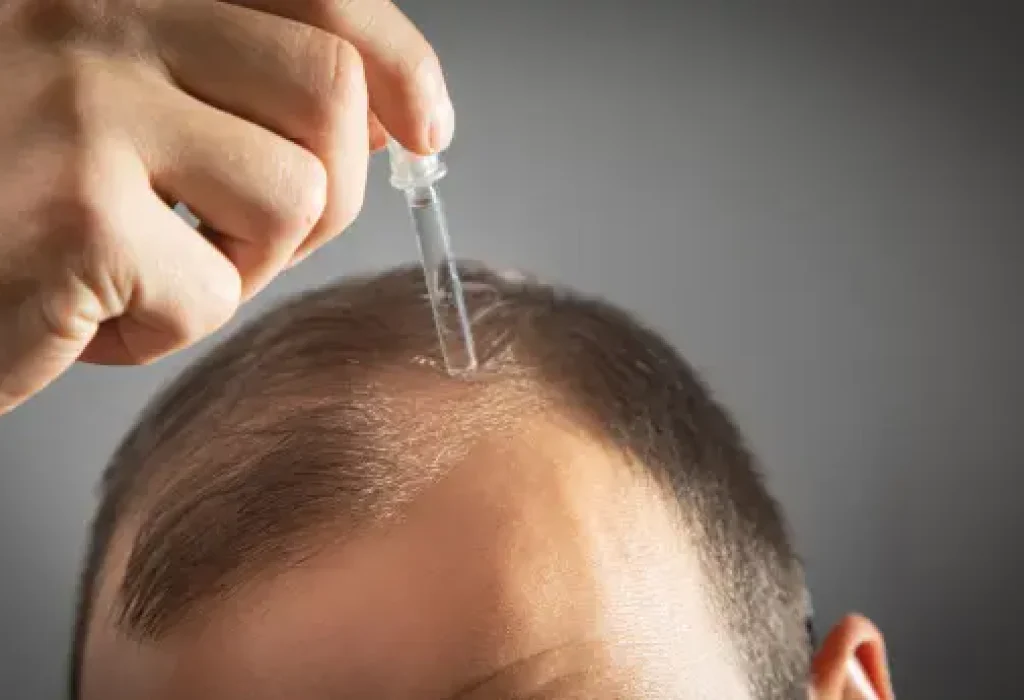
Dutasteride for hair loss is a treatment that helps slow or stop hair loss caused by hormones. It is mainly used for men with male pattern hair loss. It works by lowering dihydrotestosterone levels, a hormone that causes hair follicles to shrink over time.
Clinical studies show it can help preserve existing hair. In some cases, it can improve density if follicles remain active.
For patients evaluating long-term outcomes, understanding if hair transplants are permanent helps clarify what medication can and cannot achieve.
Key Takeaways
- Dutasteride for hair loss works by lowering dihydrotestosterone levels, which helps slow or stabilize male pattern hair loss when hair follicles are still active.
- Clinical studies show that consistent, long-term use is needed, and results are more likely to involve hair preservation than full regrowth.
- The most common medical dose is dutasteride 0.5 mg taken orally, and treatment should be supervised by a physician due to possible side effects.
- Dutasteride is often compared with finasteride and minoxidil, and the best choice depends on hormone sensitivity, risk tolerance, and treatment goals.
Dutasteride for Hair Loss: How It Works and What to Expect
Dutasteride for Hair Loss is discussed in medical research as a treatment that targets hormone-related hair loss in men. It works by lowering dihydrotestosterone levels, a hormone linked to male pattern hair loss.

This approach aims to protect the hair follicle and slow further thinning. At Trichogenics, founded by Dr. Asi Peretz and Dr. Eric Peretz, this medication is reviewed as part of a medical plan that includes diagnosis and follow-up.
This article explains how dutasteride works, how it is used, and the limits and risks associated with it.
Does Dutasteride Work for Hair Loss?
Dutasteride treats hair loss by reducing dihydrotestosterone in the scalp and blood. High DHT levels are linked to hair loss in men with genetic sensitivity.
This mechanism is most relevant in patterns described in Norwood 2 hair transplant and Norwood 5 hair transplant, where follicles are still partially active.
Can dutasteride regrow lost hair?
Regrowth depends on whether the hair follicle is still alive. Follicles that have shrunk but remain active may respond to treatment. Areas where follicles are fully lost do not regrow hair.
When density is no longer recoverable through medication, surgical restoration such as FUE hair transplant becomes the next consideration.
Is dutasteride worth it for hair loss?
For some patients, yes. Others may prefer oral finasteride or topical options based on risk tolerance. A medical review helps guide this choice.
@trichogenics Hair transplant vs hair restoration medication like finasteride, minoxidil and Dutasteride. What is best? And which one should you do? Dr Asi Peretz explains. #hairtransplant #trichogenics #hairtransplantturkey #hairtransplantsurgery #hairtransplantgreece #finasteride #minoxidil #dutasteride #fyp #hairloss #hairfall #hairlossremedy #hairlosssolutions
♬ original sound - Trichogenics
How Dutasteride Treats Hair Loss
Dutasteride and hair loss are connected through hormone conversion. The drug blocks 5-alpha reductase inhibitors, which reduce the conversion of testosterone into DHT.
Lower DHT levels reduce stress on hair follicles in sensitive scalp areas. This helps slow the process that leads to thinning.
Hair follicles shrink over time when exposed to DHT. By lowering this exposure, dutasteride may help preserve existing hair. This explains why early treatment often shows better results. The effect depends on steady and long-term use.
Dutasteride Treatment and Dosing
Oral dutasteride for hair loss is commonly prescribed off-label. The most studied dose of dutasteride is dutasteride 0.5 mg taken once daily.
Dutasteride dosing for hair loss follows medical guidelines based on the drug’s behavior in the body. It is not adjusted for cosmetic reasons.
Key medical points include:
- Long-term drug buildup in the body
- A long half-life that lasts weeks
- Delayed changes in hormone levels
Topical dutasteride is also discussed in some settings. Absorption differs from oral use, and results vary. Orally, dutasteride remains the most studied form.
Patients comparing medication to surgical timing often review when to get a hair transplant to understand the right sequence of treatment.
Dutasteride vs Other Hair Loss Treatments
Dutasteride vs finasteride comparisons focus on hormone blocking strength. Dutasteride blocks two enzyme types, while finasteride blocks one.
Some studies suggest that dutasteride may be more effective than finasteride at lowering DHT. Side effect risk also differs between patients.
Minoxidil works differently. Topical minoxidil increases blood flow and growth signals but does not change hormone levels. Because of this, some doctors combine treatments rather than choose only one.
Common comparisons include:
- Dutasteride vs finasteride for hormone control
- Topical minoxidil for growth support
- Topical finasteride for local DHT reduction
@trichogenics Finasteride or Dutasteride what do these medications do? And should you be using them for hairloss? Dr Asi Peretz, American Board of Hair Restoration Surgeons winner of the James E Arnold award, explains. #finasteride #dutasteride #minoxidil #trichogenics #hairtransplant #hairtransplantgreece #hairtransplantturkey #hairloss #hairfall #fyp #hairlosssolutions #hairtransplantation
♬ original sound - Trichogenics
Clinical Results and Expectations
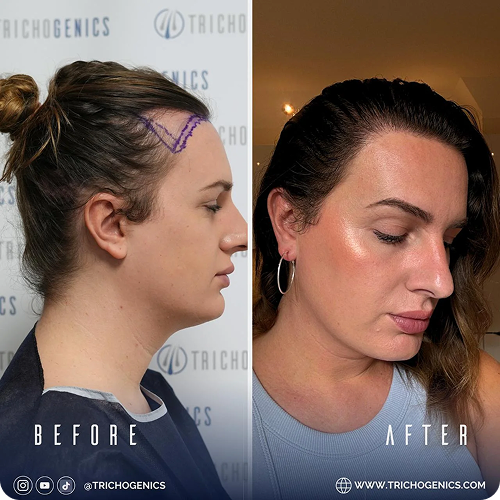
Clinical studies measure hair density using scalp photos and hair counts. Changes often appear after several months, not weeks. Dutasteride for hair loss before and after results usually show stabilization first. Regrowth is possible but not guaranteed.
Typical timelines include:
- 3 months – reduced shedding
- 6 months – early density changes
- 12 months – clearer response patterns
If thinning follows a pattern similar to diffuse thinning, medication may slow progression but not fully restore volume.
Dutasteride Side Effects and Safety
Side effects of dutasteride are well documented. Potential side effects include lower libido, erection changes, or mood shifts in some patients. Most effects reverse after stopping the drug. Long-term use should always be supervised by a physician.
Safety points include:
- Hormone suppression over time
- Drug interactions
- Monitoring during extended use
This is why dutasteride is a medical treatment, not a supplement.
Cost and Access
Dutasteride for hair loss depends on the location and regulation. In most countries, a prescription is required. Cost often reflects medical oversight and follow-up.
Examples with context:
- Greece – USD 40–70 per month with physician monitoring
- Israel – Similar pricing with specialist care
- Turkey – Lower costs, but follow-up standards vary
When seeking where to purchase dutasteride for hair loss, medical supervision is more important than price.
Who Is a Good Candidate for Dutasteride
Good candidates are men with early- to moderate-pattern hair loss. Patients must accept long-term treatment and regular medical review. Dutasteride is often used to protect existing hair during treatment for hair loss.
In surgical care, physician involvement matters. In Greece and Israel, techniques such as FUE, DHI, and Sapphire FUE are performed in licensed clinics with certified operating rooms.
Structured follow-up helps mitigate risks such as uneven density or overharvesting.
In Turkey, some clinics offer procedures for USD 1,800–2,800 for 3,000 grafts, often with technicians treating many patients per day.
In Greece, physician-performed FUE procedures range from USD 3,500 to USD 6,000 and include anesthesia, graft planning, and postoperative care. These differences reflect who performs the work, the time per patient, and the level of medical oversight.
Why Choose Trichogenics?
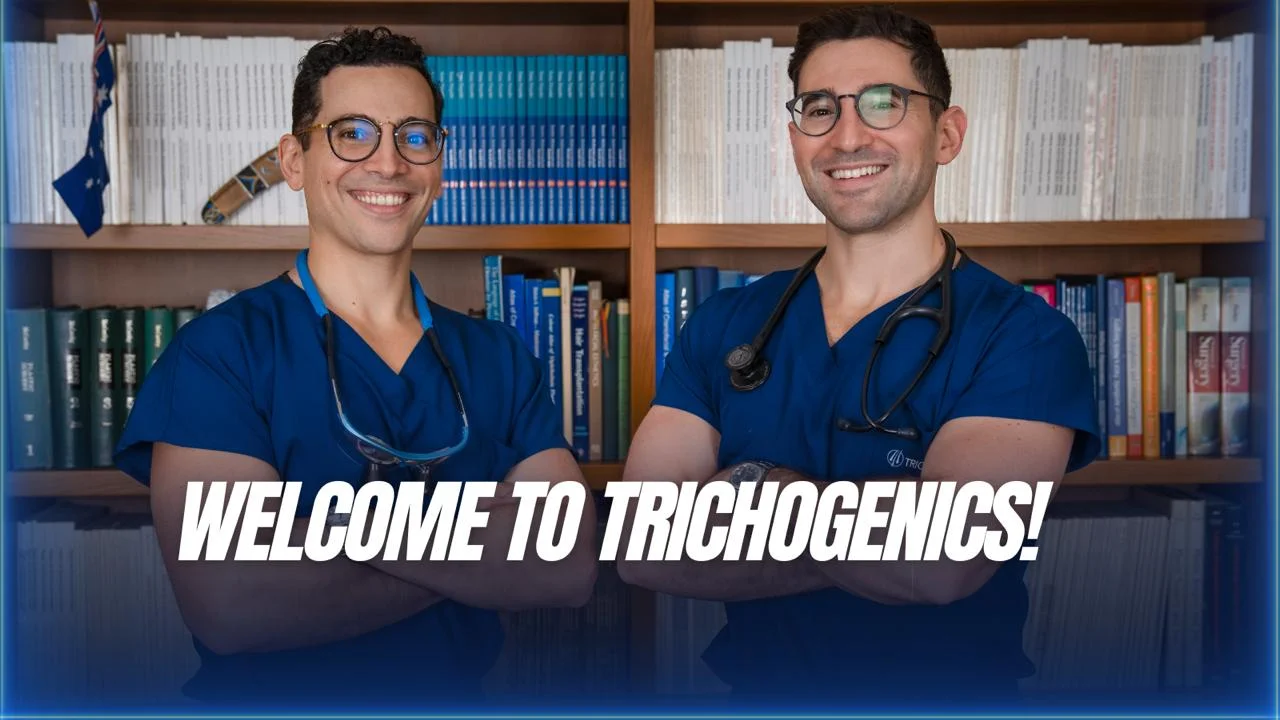
All procedures are performed only by doctors
The uniqueness of Trichogenics lies in its strict medical process; only certified doctors perform every transplant. No technicians or unqualified assistants are involved. Choosing a clinic with proven experience in hair transplants can make all the difference.
Meet Dr. Asi and Dr. Eric Peretz
The two doctors leading Trichogenics, Dr. Asi Peretz and Dr. Eric Peretz, are recognized leaders in the field. Their extensive experience, attention to detail, and focus on natural results make Trichogenics the best choice.
Contact Trichogenics today to schedule a personal consultation and get a clear, doctor-led plan for your hair restoration.